



3-5x Higher Average Order Value: Interior-Upgrade Package Solutions Empower Refit Shops


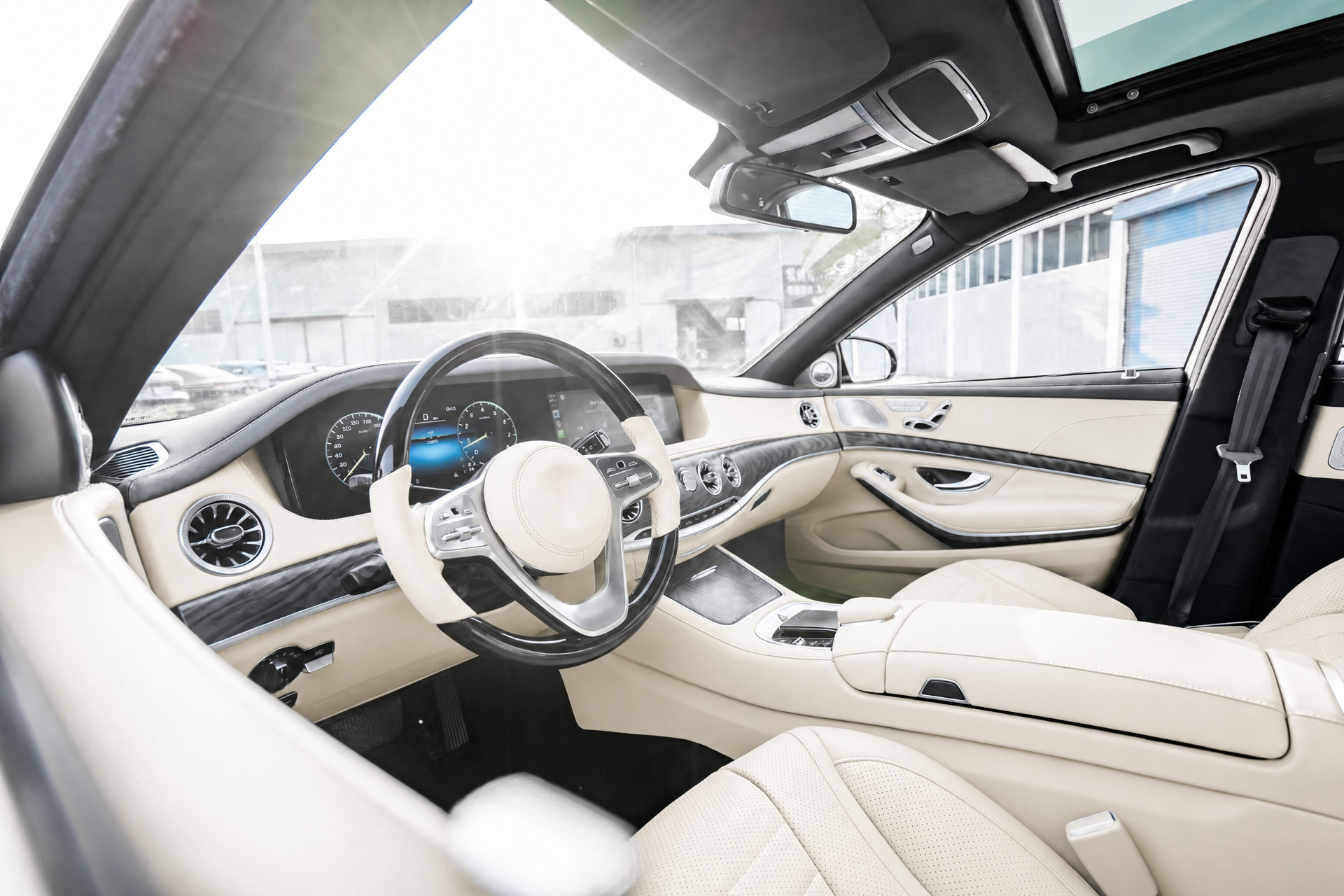
Many refit shop owners face a common puzzle: orders keep coming in, yet profits fail to grow. Very often, the root cause lies in average order value. If a customer only wants new seats, the shop supplies seats; if they need new flooring, only flooring gets fitted. Each job yields modest margins of roughly one thousand CNY. After covering rent, labour and material costs, little profit remains. It is not that customers refuse to spend more — the shop simply fails to give them compelling reasons to invest further.
The era of single-component refitting is fading. Today’s high-end vehicle owners demand complete, all-in-one solutions. A customer updating seats will very likely also consider new flooring, headliner upgrades and door-panel re-upholstery. When these items are bundled into structured packages, average order value can multiply several-fold, unlocking substantial profit potential.
Industry Reality: Refit Shops’ Growth-Performance Anxiety
In Q1 2026, China’s automotive refit market registered 23.5% year-on-year growth. Interior upgrades account for 31% of total refit spending, ranking as the second-largest segment. It represents the most accessible, high-margin growth opportunity for refit shops.
Even so, many operators struggle to lift average order values. Traditional auto-detailing, window-film installation and maintenance work typically generate order values ranging from several hundred to a few thousand CNY. By contrast, a full-vehicle interior upgrade can easily reach tens of thousands CNY — more than a ten-fold gap.
Single-Item vs Package Sales: Fundamental Operational Differences
To understand how packages boost average order value, we must distinguish between single-component selling and solution-based package selling.
Under the single-item model, shop staff pitch separate modifications one by one: “Would you like aviation-grade seats?”, “Interested in a star-sky headliner?”, “Shall we install new flooring?”.
This approach carries three critical drawbacks:
High customer decision-making friction. Presented with scattered options and fragmented pricing, most vehicle owners cannot prioritise what to upgrade. Many end up picking only the cheapest option or abandon the project entirely.
Hard ceiling on average order value. Customers usually purchase only the first item presented. Few proactively ask for additional complementary upgrades. Each transaction is limited to one component, capping revenue per vehicle.
No built-in pathway for secondary sales. Once one modification is finished, the customer leaves. There is no structured mechanism for follow-up conversions. Data shows repeat upgrade rates remain extremely low under the single-item sales model.
In short: the shop sells parts, not tailored solutions.
Package-oriented sales operate on an entirely different logic. Instead of pitching individual components sequentially, the shop presents well-structured, tiered complete solutions:
Entry-level Experience Package: Low-threshold offering for customers “testing the waters”.
Mid-range Enhanced Transformation Package: For buyers seeking further improvement.
Premium Ultimate Specification Package: Delivers full “one-and-done” high-end transformation.
Customers receive clear alignment between budget and tangible outcomes. They can easily visualise what experience each price tier delivers.
Real-world industry case: A struggling refit shop redesigned its business model. It replaced parts-and-tool-cluttered work-showroom space with premium lounge-style customer reception areas. Technical specifications moved into the background; before-and-after video comparisons and owner testimonials became the primary sales material. Within three months, average order value jumped from CNY 15,000 to CNY 48,000. Return-customer rate rose from 15% to 60%. Monthly revenue surged from CNY 500,000 to CNY 2,300,000. Average order value grew by 65%, and post-installation repeat-upgrade rate hit 70%.
The shop succeeded by shifting its mindset: stop selling parts and start selling solutions; move from single-item transactions to structured packages.

Three Underlying Principles Behind Package-Driven Revenue Growth
Lower customer decision friction. Faced with overwhelming lists of separate components, most customers struggle to prioritise upgrades. Tiered packages — entry-level, enhanced and ultimate — make it instantly clear what results each budget achieves. Purchase decisions become far simpler.
Build a natural progressive consumption journey. Once a customer selects an entry-level package, the shop gains grounds for ongoing service engagement. Industry data shows repeat upgrade rates can reach 70% under package-based operations. Clients progress from seat replacement to full-cabin interior overhauls, moving from basic re-upholstery toward complete builds with aviation seats, star-sky headliners and premium flooring. Extended consumption paths naturally lift average order value.
Elevate professional positioning and brand premium. Running package-based offerings means the shop no longer merely sells whatever parts are in stock. Instead, it delivers requirements-driven solutions. This transformation from component reseller to solution consultant creates brand-value advantages. Customers pay not only for parts and labour, but also for improved vehicle experience, emotional satisfaction and status. When shops act as trusted consultants, customers are far more willing to pay for premium value.
Single-Item Sales vs Package Sales: Side-by-Side Comparison
Comparison Metric | Single-Item Sales | Package Sales |
Customer Decision Burden | Fragmented options, hard to prioritise | Tiered structure, easy to understand |
Average-Order-Value Ceiling | Capped by individual component prices | Potential 3-5-fold uplift |
Repeat Upgrade Rate | Very low; customers depart after one job | Up to 70%, continuous conversion potential |
Shop Positioning | Parts vendor | Solution consultant |
Customer Trust Level | Low; perceived as pushy sales | High; perceived as planning advisor |
Profit Profile | Thin per-unit margins, volume-reliant | Strong solution-level premium, healthier margins |
RELY AUTO Interior-Upgrade Packages: Enable Shops to Lift Average Order Value Effortlessly
Founded in 2016, RELY AUTO specialises in R&D, manufacturing and sales of interior and exterior upgrades for premium commercial vehicles and luxury SUVs. Its products are supplied across North America, Western Europe, Southeast Asia and other global markets. Leveraging 1:1 high-precision mould-development capability and OEM-grade fitting standards covering G-Class, BMW, V-Class and Sprinter platforms, RELY AUTO delivers a full tiered package portfolio for refit partners:
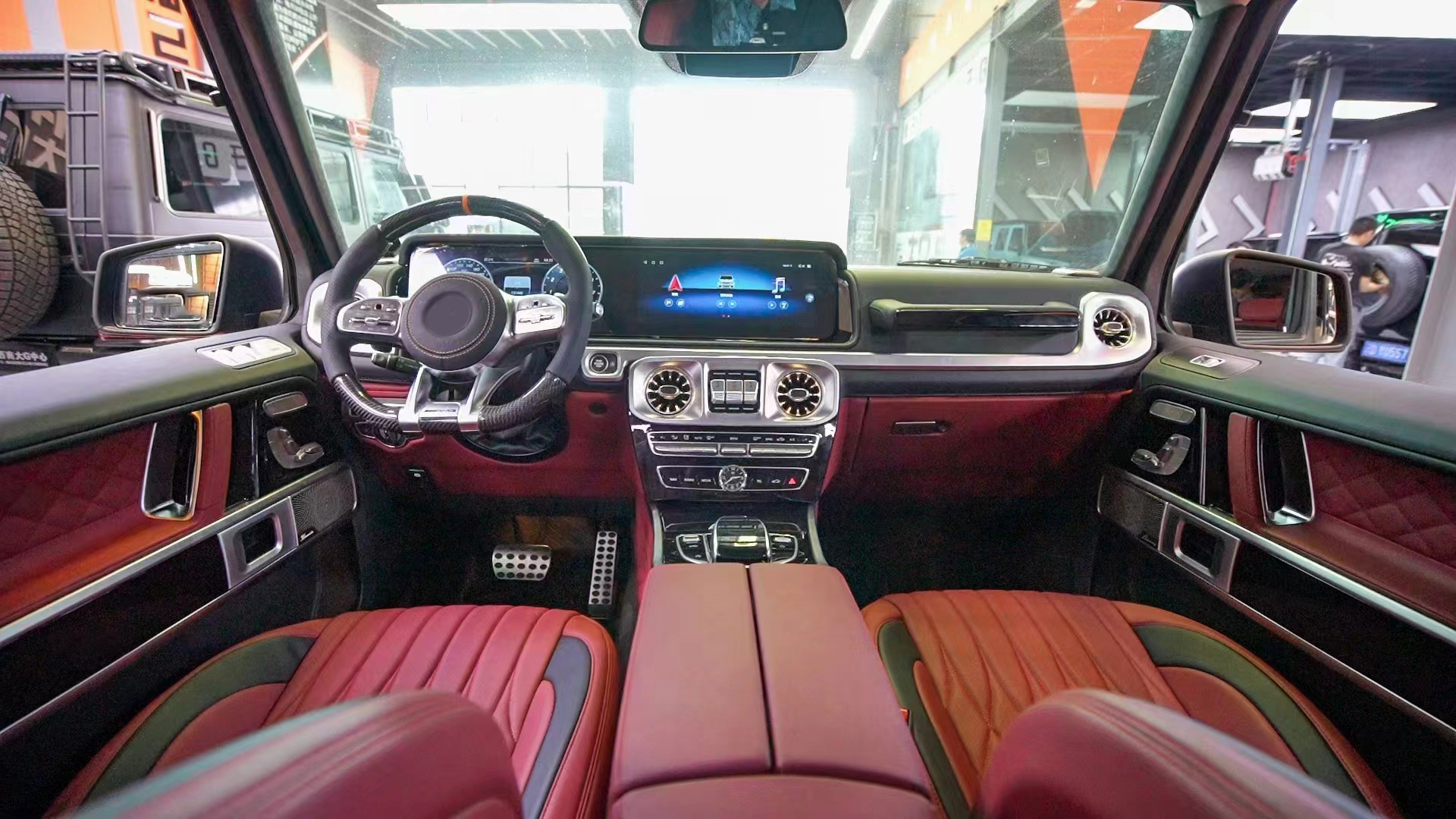
Entry-level Package: Full-vehicle Nappa leather seat re-upholstery + steering wheel re-trim + aerospace-grade aluminium flooring + 64-colour ambient lighting. Targets customers wanting an immediate premium visual upgrade. Short installation cycles and fast turnaround make it an ideal lead-generating offering for new clients.
Enhanced Package: Builds upon entry-level specification, adding middle-row aviation-grade seats (10-way electric adjustment, ventilation, heating, multi-mode massage, electric leg rest; national 3C safety certified), Alcantara suede headliner and star-sky ceiling. Greatly boosts comfort and visual appeal, delivering the highest customer-satisfaction scores.
Premium Ultimate Package: Full-cabin Nappa / Alcantara re-upholstery + complete aviation-grade seat set + electric partition system + 15.6-inch infotainment unit + on-board refrigerator + full-cabin acoustic insulation. Creates a true mobile-lounge experience for corporate hospitality and high-end private usage.
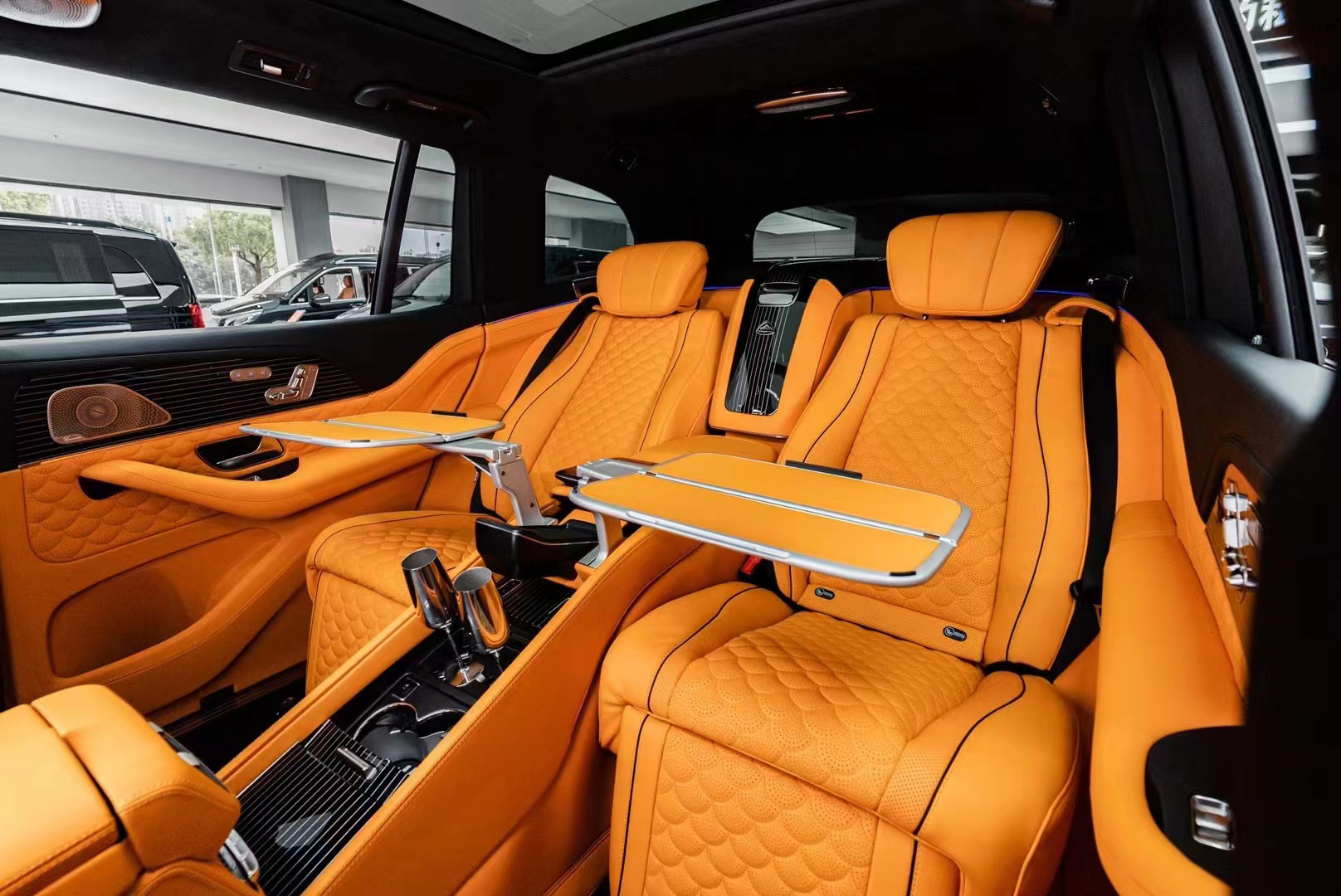
Every package comes with complete bill-of-materials, installation guidance and reference renderings, ready for immediate deployment and project delivery. Beyond hardware, RELY AUTO supplies comprehensive sales-enablement assets: high-resolution project photos, before-and-after comparison visuals, specification sheets, pricing frameworks and ready-to-use sales scripts. Shops can directly deploy these materials for client consultations and showroom displays, improving comprehension, appeal and conversion performance.
Moving from selling individual parts to selling complete solutions makes 3-5-fold higher average-order-value performance an achievable reality.
Related News
-
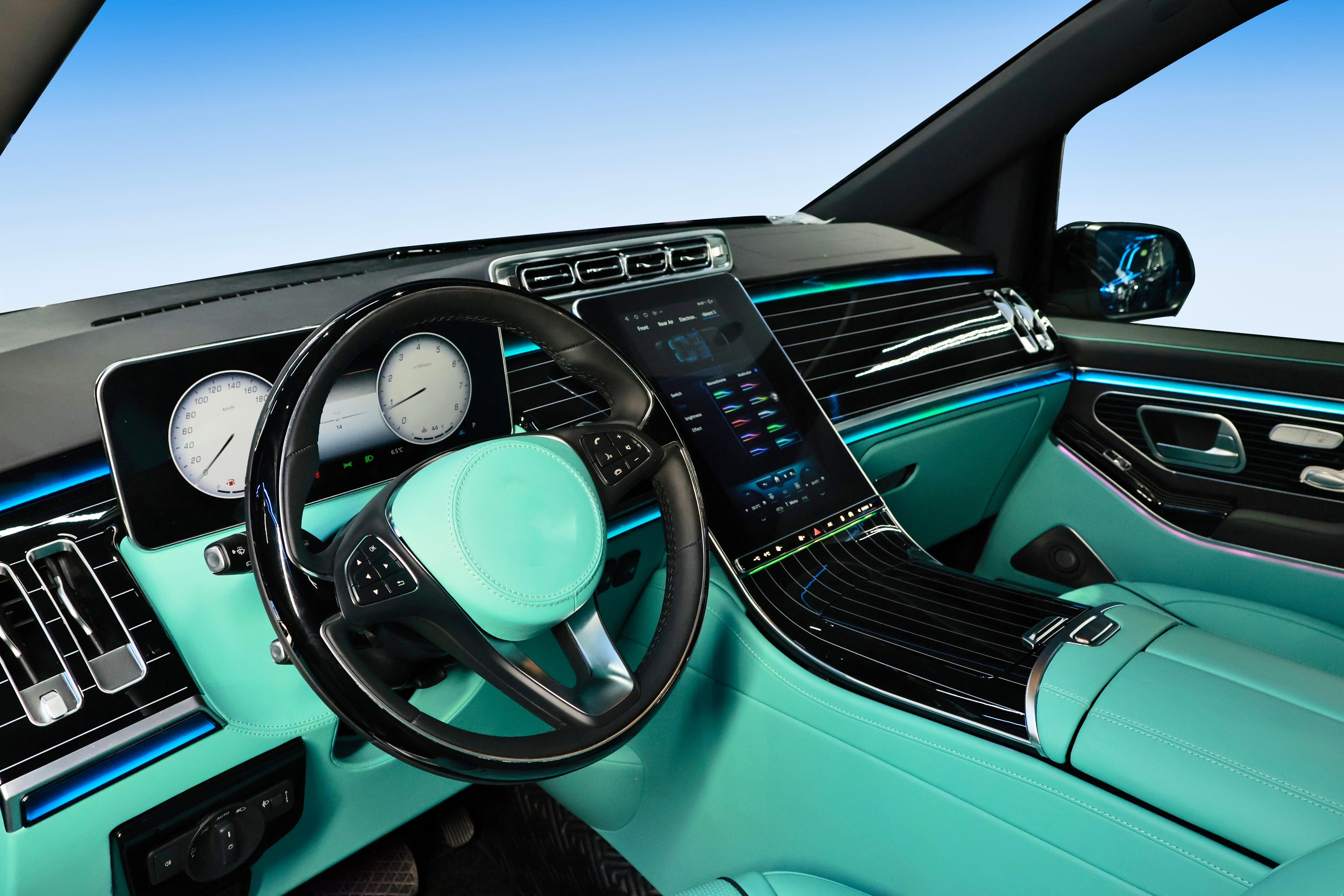 With zero middlemen, we supply directly to modification workshops. Partner clients connect straight with our factory, skip multi-tier distribution markups and achieve higher profit per completed project.
-
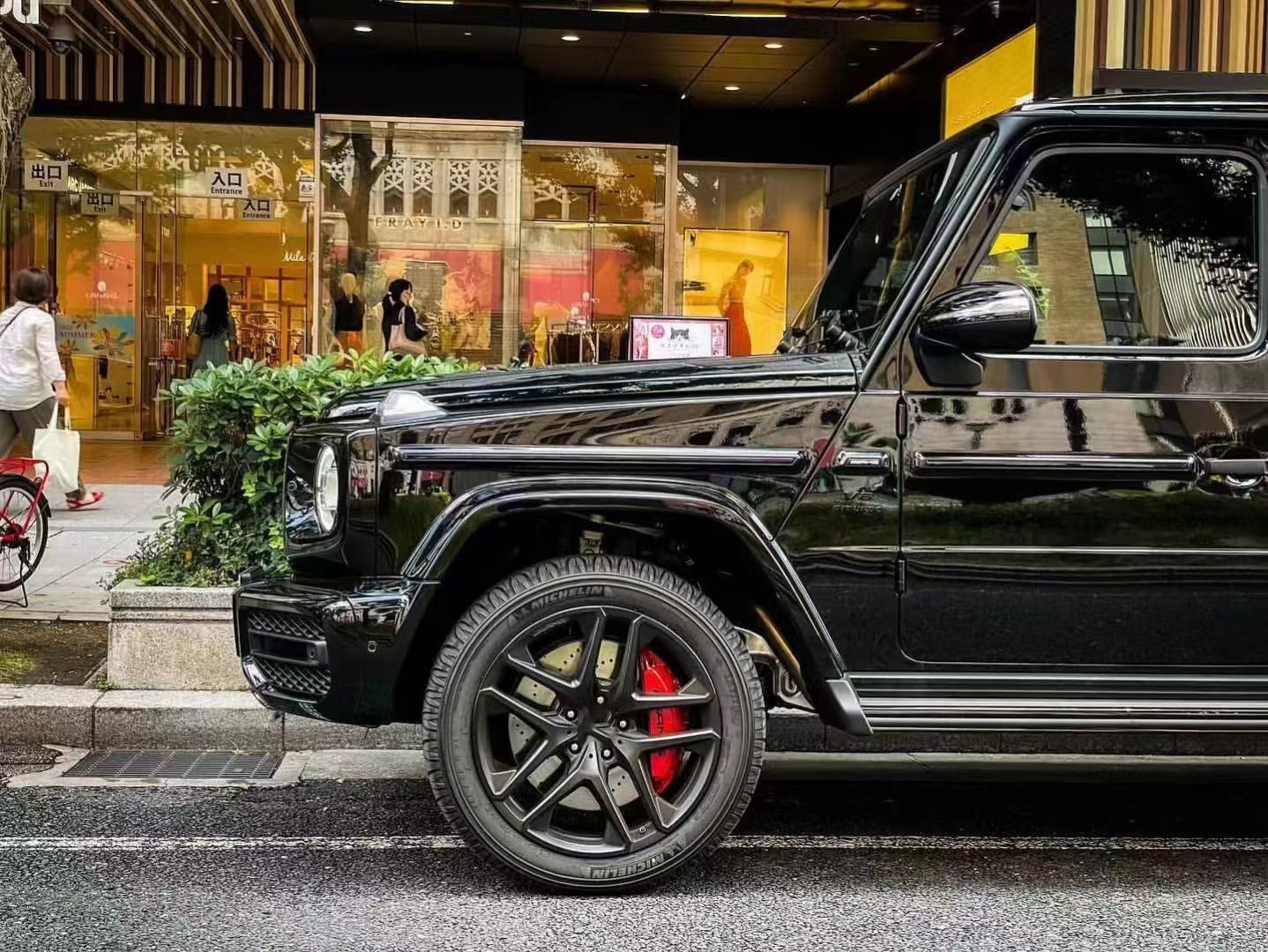 With basic workshop equipment and standardized sales scripts, your team can take on modification projects for these four vehicle lines, expand order sources and lift overall business revenue potential.
-
 Breakthrough for small-to-midsize refit shops does not rely on undercutting prices, but on dependable product supplies. Choosing the right partner equals choosing a sustainable business path.
