



Partner with Original-Source Factory: Cut Out Middlemen & Maximize Workshop Profit Margins


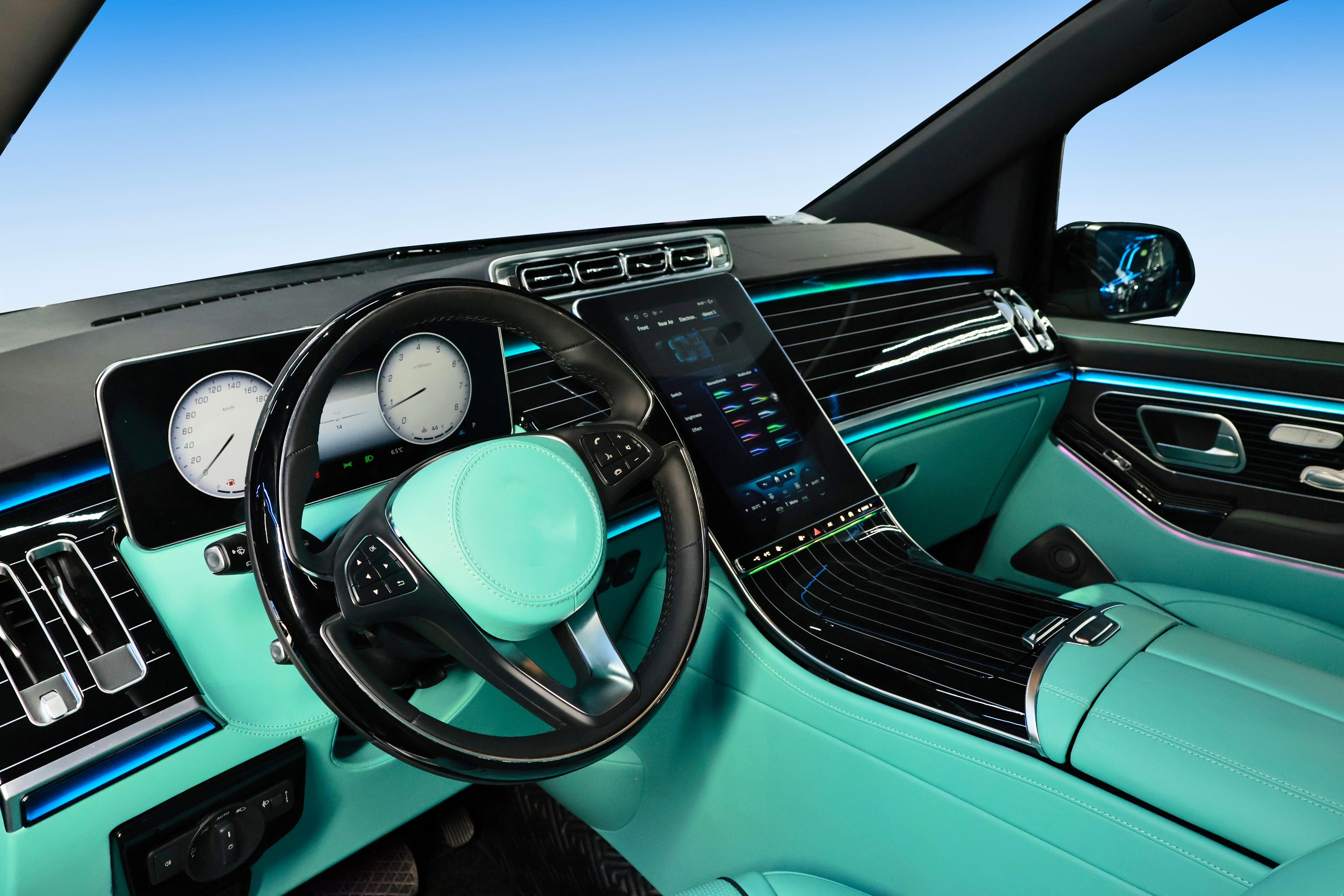
The auto modification industry operates with multi-layered supply chains: factory → primary wholesaler → regional distributor → modification workshop. Every middleman in the chain adds extra markup. For the same aviation-style seat interior kit, the purchasing price for workshops gets inflated after passing through multiple distribution tiers. Many workshop owners receive plenty of orders yet earn slim net profit after covering rent and labor costs. A large share of revenue is eaten up by intermediate links.

I. How Much Profit Do Middlemen Take Away?
Within the auto modification sector, goods usually flow through brand owners → provincial agents → municipal agents → workshops before reaching end users.
Markups are applied at every tier. For instance, an aviation-style seat with an ex-factory price of RMB 10,000 may double or even more in cost by the time it arrives at a modification workshop. Workshops then add their own operating expenses and profit margin. Ultimately, the price paid by end consumers can reach two to three times the original factory price.
Worse still, multi-level distribution dilutes product-quality information. Workshops struggle to trace product origins and verify build quality. When defects occur, agents shift blame to brand owners, while brand owners pass responsibility back to factories, creating ambiguous accountability.
II. Hidden Pitfall Behind “Factory-Direct”: Pseudo-Source Manufacturers
Cutting out middlemen only delivers benefits if you are cooperating with a genuine original-source factory.
Numerous businesses claiming to be “source factories” are actually OEM traders or simple assembly workshops. They own no in-house molds, production lines or formal quality-control systems. Instead, they source separate components from various suppliers, assemble parts and attach their own labels. Some market themselves as manufacturers while functioning merely as secondary dealers sourcing upholstery materials from third-party suppliers.
Cooperating with such pseudo-source partners brings heavier losses than multi-tier distribution:
Uncontrollable quality. Seat frames, foam padding, leather materials and assembly work are all outsourced to different vendors with inconsistent quality standards. No clear party takes accountability for failures.
Limited customization capacity. Traders lack R&D and manufacturing capabilities. Requests for custom colors or stitching patterns are almost always rejected.
Unreliable delivery schedules. Without owned production capacity, lead times fully depend on upstream suppliers. Stock shortages are frequent during peak seasons.
Poor after-sales support. When product issues emerge, traders only relay messages to actual manufacturers. Both workshops and end customers face long delays before problems get resolved.

Genuine Source Factory vs. OEM Trader / Assembly Workshop
Comparison Item | Genuine Source Factory | OEM Trader / Assembly Workshop |
Business Scope on Business License | Includes “manufacturing / production” | Only “sales / trading / technical services” |
Mold Development Capacity | Vehicle-specific custom molds with traceable mold IDs | No self-developed molds; uses generic or copied molds |
Production Equipment | Complete in-house lines: stamping, welding, foaming, sewing | No production lines; outsourced component assembly only |
System Certifications | Verifiable IATF 16949 plus 3C certification | No valid certificates; only non-verifiable certification images |
Customization Capability | Supports custom colors, materials and stitching | Only ready-made stock available; custom requests declined |
Factory Visit Acceptance | Welcomes on-site factory inspections | Avoids factory visits (almost always traders) |
Quality Accountability | Clear accountability, direct factory contact | Vague accountability, repeated blame-shifting |
Delivery Reliability | In-house production with controllable lead-time | Relies on upstream suppliers; high shortage risk |
III. Direct Sourcing from Original-Source Factories: Remove Middlemen, Return Profit to Workshops
The core advantage of factory-direct cooperation is straightforward: eliminate all intermediate links so workshops purchase parts directly at ex-factory prices.
Price Advantage: Without provincial and municipal agent markups, workshop procurement costs drop by 30-50 %. Workshops achieve higher profit margins at the same selling price, or gain stronger market competitiveness by offering more attractive pricing for equal profit.
Guaranteed Quality: Clear accountability via direct factory communication. No blame-shifting across multiple distribution layers. Factories take responsibility for their own products, allowing workshops to focus on serving end customers and accelerating issue resolution.
Reliable Delivery: Shorter communication chains bring faster response. Stable stock supply during peak seasons and reliable handling of urgent orders help workshops maintain predictable operations.
Flexible Customization: Original-source factories support custom adjustments. Workshops can fulfil client-specific requests for colors, materials and stitching patterns instead of only selling pre-set stock items.

Core Business Value: Trader-Supplied Goods vs. RELY AUTO Factory-Direct Supply
Comparison Item | Supply from OEM Traders | RELY AUTO Genuine Factory Direct Supply |
Procurement Cost | High cost inflated by multi-layer markups | Ex-factory price; 30-50 % cost reduction |
Quality Accountability | Vague responsibility, blame-shifting | Clear accountability, direct factory communication |
Delivery Performance | Dependent on upstream suppliers; high shortage risk | In-house production, controllable lead-time |
Customization Support | Custom requests generally rejected | Flexible custom adjustments available |
Factory Inspection | Avoids site visits | On-site factory tours welcomed |
Profit Margin | Compressed by middlemen | Profit retained by modification workshops |
Partnering with a genuine original-source factory delivers certainty in quality, pricing and lead-time. Bypassing middlemen and avoiding OEM-trader traps allows profit to stay with workshops that deliver real-world value to vehicle owners.
IV. Five Practical Checks for Workshops to Identify Authentic Source Factories
Workshops can screen suppliers with these five hard criteria:
Check business-license scope. Review official business registration records. Legitimate manufacturers must list “manufacturing / production” within their business scope. Entries limited to “sales, trading, technical services” indicate pure trading companies.
Verify formal certifications. IATF 16949 is the globally-recognized automotive-industry quality-management standard. Genuine factories provide verifiable certification numbers instead of static certification images. Also confirm valid 3C safety certification.
Ask about mold origins. Inquire directly: “Are these seats / trim pieces built on vehicle-specific custom molds or generic molds?” Vehicle-specific development requires supporting evidence and traceable mold IDs. Generic molds often result in poor fitment, gaps and alignment defects.
Request an on-site factory visit. Real source factories welcome site inspections. Any supplier avoiding factory tours is almost certainly an OEM trader or simple assembly workshop. Observe real-world production assets: stamping machines, welding stations, foaming workshops and sewing assembly lines — these tangible facilities cannot be faked.
Test customization capability. Ask whether custom leather colors or stitching patterns can be implemented. Traders without production capacity will normally decline such requests. Genuine source factories support flexible adjustments based on order requirements.
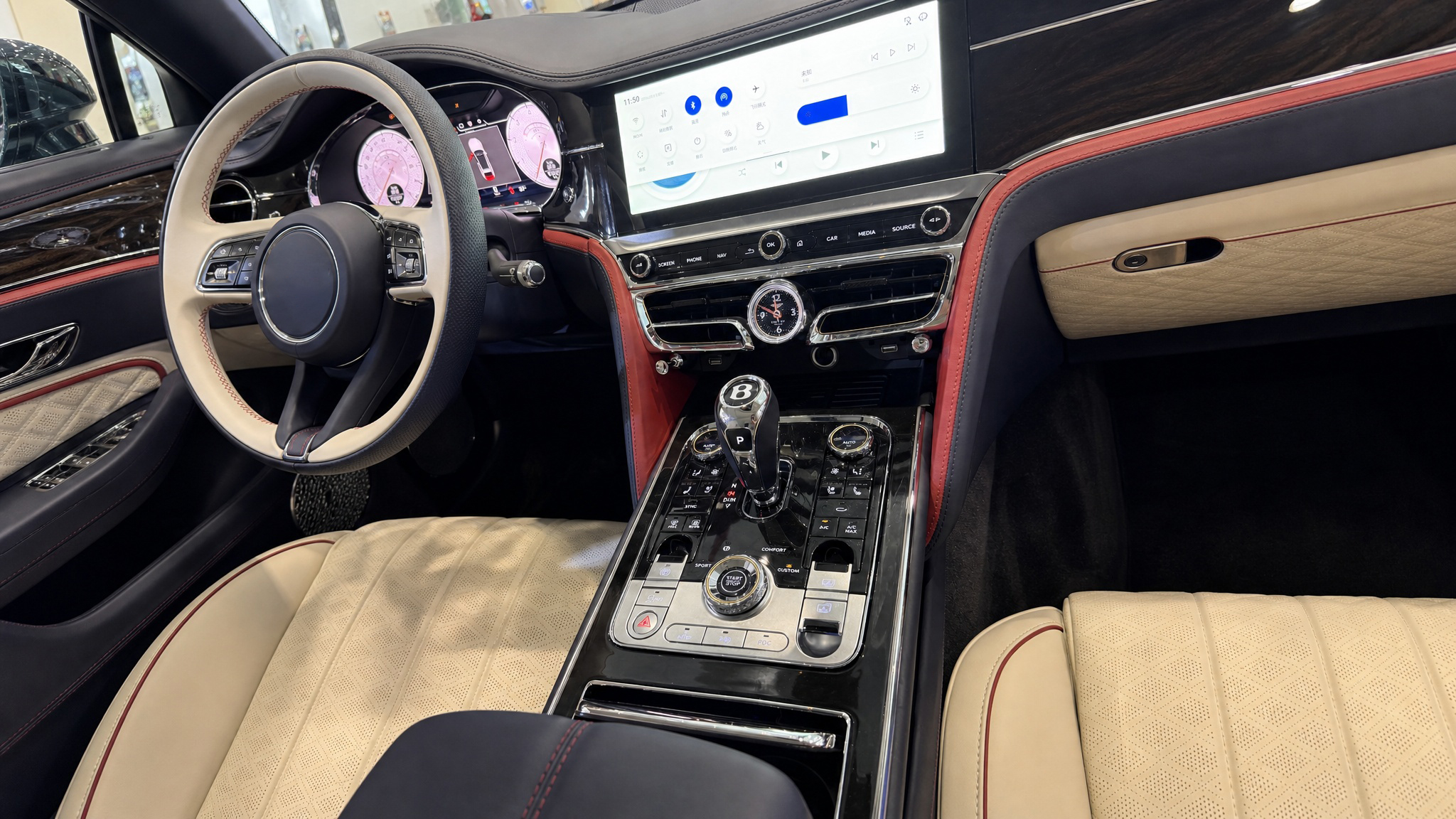
As a genuine original-source manufacturer for premium automotive interiors, RELY AUTO completes full-cycle in-house work including mold development, frame fabrication, upholstery processing and electrical-system integration. With zero middlemen, we supply directly to modification workshops. Partner clients connect straight with our factory, skip multi-tier distribution markups and achieve higher profit per completed project.
Related News
-
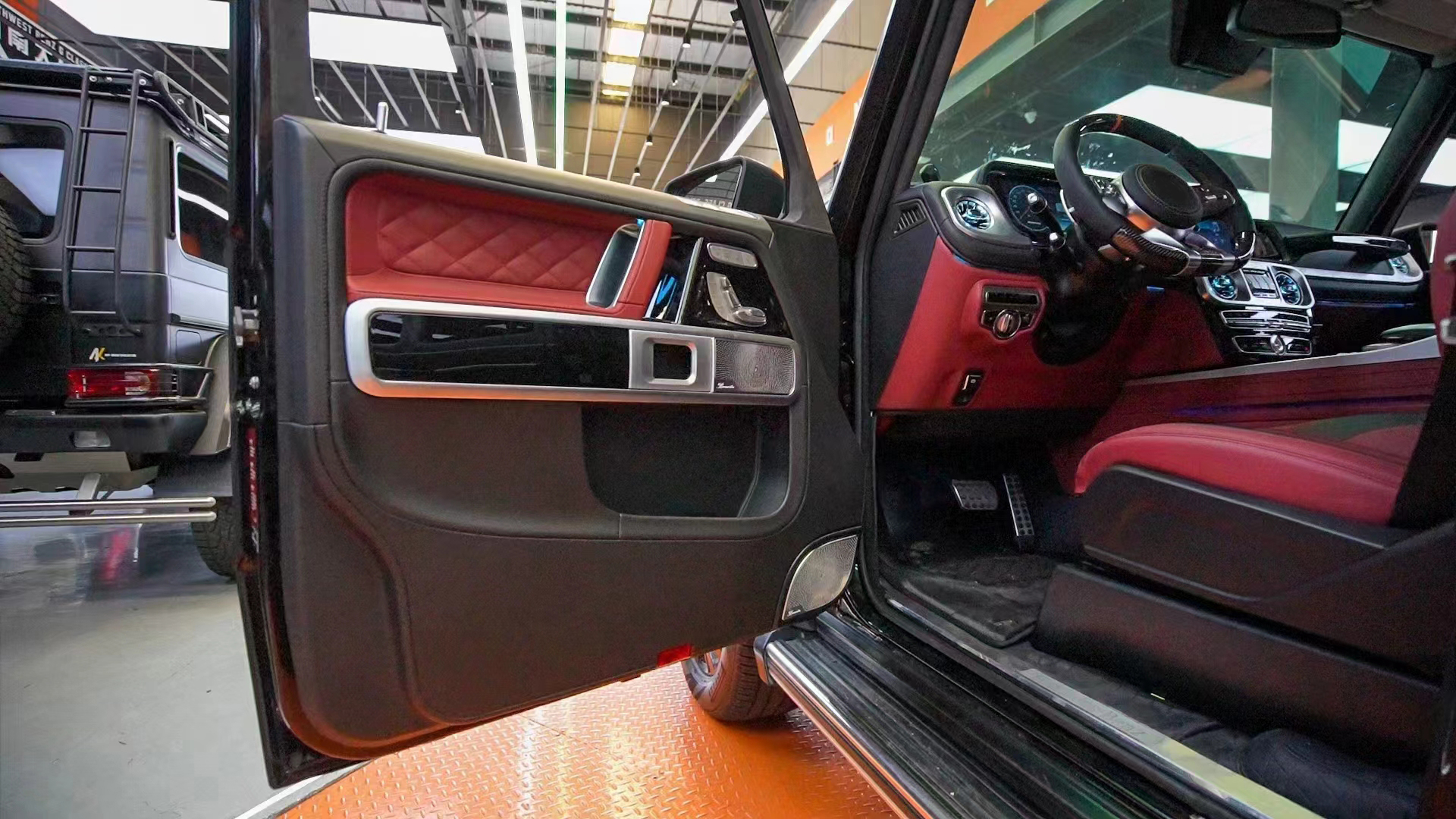 Apply these core screening standards to steer clear of 90 % of common startup pitfalls in this sector.
-
 With zero middlemen, we supply directly to modification workshops. Partner clients connect straight with our factory, skip multi-tier distribution markups and achieve higher profit per completed project.
-
 With basic workshop equipment and standardized sales scripts, your team can take on modification projects for these four vehicle lines, expand order sources and lift overall business revenue potential.
