



What Do High-End Vehicle Owners Value Most in Interior Customisation?


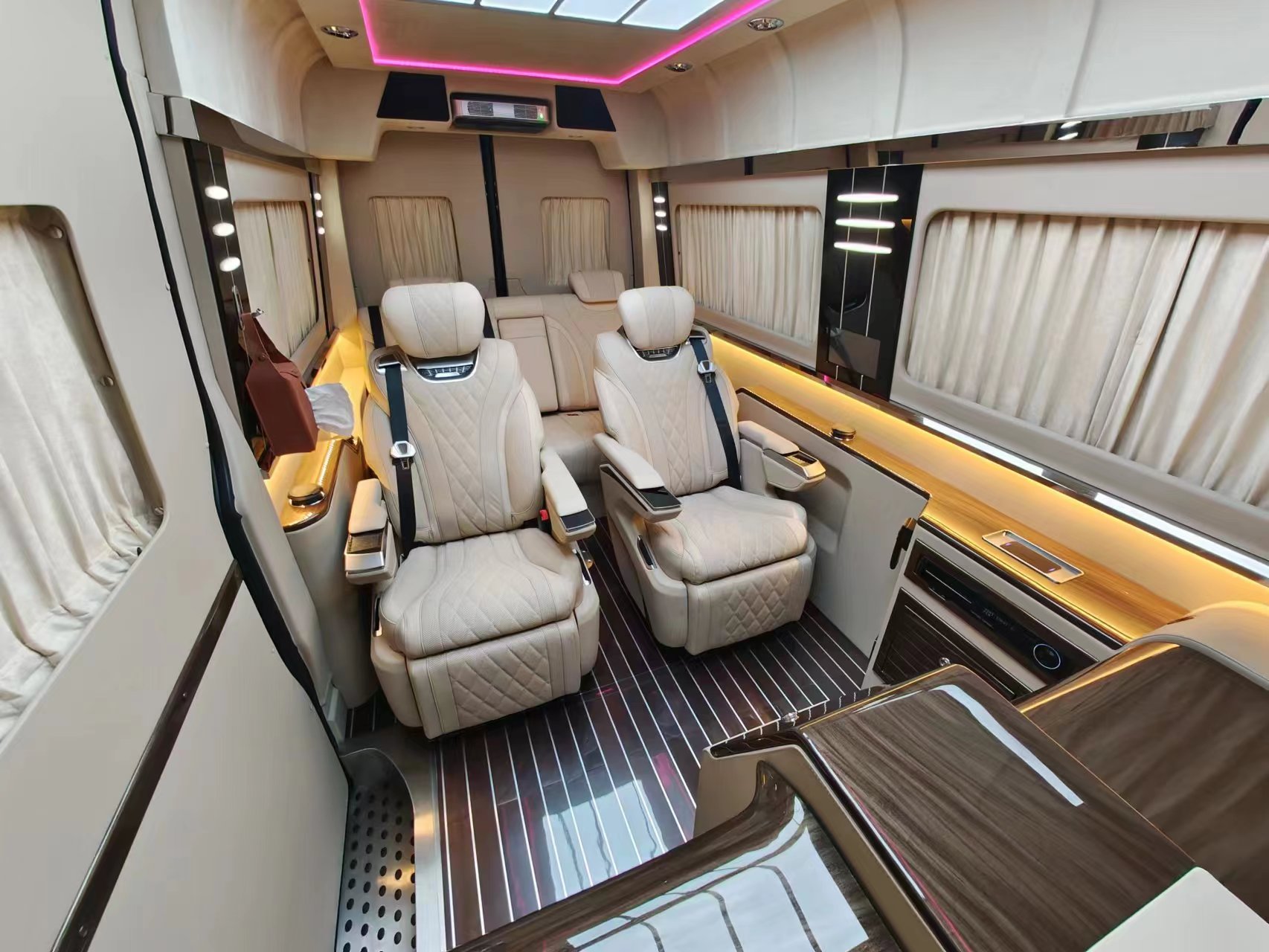
Many people wonder: when high-end vehicle owners already have luxury factory interiors, why do they still choose to invest in private bespoke interior customisation? For most owners, upgrading is about "improving features and enhancing appearance." But for high-end owners, interior customisation is never a simple cosmetic change – it is a personal process of aligning with their identity, optimising their experience, refining quality, and expressing their taste.
The greatest shortcoming of mass-produced factory interiors is their standardisation and uniformity. Regardless of the vehicle‘s price, every owner receives the same colour scheme, the same layout, and the same features. For those who value quality of life and spend significant time in their vehicles, a cookie-cutter cabin no longer matches their aesthetic sensibility or lifestyle.
High-end customisation is not about being flashy or piling on expensive accessories – its core is precisely matching the owner‘s needs. This article, drawing on the real selection logic of high-end owners, breaks down the key dimensions they value most in interior customisation – revealing the fundamental difference between high-end and ordinary modifications.
I. Not About Trendy Looks – About Timeless, Enduring Premium Quality
Most ordinary conversions focus on immediate visual impact – following trends with bright colours, flashy trim, and excessive lighting – attention-grabbing in the short term but quickly becoming tiresome and looking cheap and dated.
High-end owners reject this approach entirely. What they value most is restrained, unified, and enduring light-luxury quality. No blind adherence to trends, no piling on elements – but a focus on low-saturation colour palettes, clean lines, and precise craftsmanship, with a fully unified style throughout the cabin.
Premium materials – genuine Nappa leather, matte Alcantara, OEM-grade wood veneers and carbon fibre trims – deliver luxury through their inherent texture and refined craftsmanship, not through decorative excess. This quality is understated and composed, remaining timeless even after three to five years – never appearing dated or gaudy – perfectly aligned with the understated sophistication of high-end travel.
II. Not “More Expensive” – But “Unique”
For high-end owners, the most unacceptable label for their vehicle is "just like everyone else‘s." No matter how luxurious a factory high-spec model may be, you will always encounter identical versions on the road – the same colours, the same materials, the same features – offering no distinction whatsoever.
A deeply bespoke interior, by contrast, communicates a silent statement: "My taste and my vehicle are both unique." One Range Rover owner put it bluntly after completing a bespoke interior: "When people see my car, they know it‘s been modified – but they can‘t tell exactly what‘s been done. That‘s the highest level of customisation. Not like those chrome-trimmed mods that scream ‘aftermarket.‘"
For them, customisation is not about showing off – it is about aesthetic self-expression. Choosing an ivory and dark brown two-tone scheme conveys composure and warmth; opting for all-black Alcantara with carbon fibre reveals a sporty, powerful character; incorporating a family crest or lucky colour weaves a personal story into the cabin.
III. Rejecting Feature Overload – Only Adapting to Real Use Cases
A common misconception is that “more features equal higher quality.” In reality, excessive flashy features increase purchase costs, add electrical load, raise long-term failure rates, and are rarely used – they are simply wasted expenditure.
The core logic of high-end customisation is: features matched to need – everything else is streamlined. Features are precisely tailored to the owner‘s use case – not blindly following trends.
For business receptions: prioritise cabin tranquillity, office functionality, privacy, and guest comfort – creating a refined, hassle-free mobile meeting lounge.
For family long-distance travel: focus on seat support, ventilation and heating, storage and protection, and eco-friendly materials – ensuring comfort for elderly and children.
For overland and daily commuting: emphasise abrasion-resistant interior protection, easy-clean materials, and robust construction – suited to varied and demanding environments.
Every upgrade serves a real-world need – avoiding redundant features and delivering a genuinely useful, practical, and durable result – with no wasted expenditure.
Seats are what they care about most. No matter how premium a standard seat is, it cannot perfectly fit every body type. Bespoke aviation seats can have cushion firmness adjusted to the owner‘s build, cushion depth tailored to leg length, and dedicated lumbar support designed for existing back conditions. One owner commented: “I have a bad back – during the customisation, I asked the team to add extra support in the lumbar area. Now I can drive for hours without any discomfort. The factory seats never offered that option.”
Tranquillity is also given the highest priority. A Mercedes-S-Class owner said: “The factory sound insulation is already good, but after a full-vehicle acoustic upgrade, I truly understood what ‘isolated from the world‘ means. At 120 km/h on the motorway, the cabin is so quiet you can hear your own breathing.” For these owners, the cabin is a private mobile sanctuary – every journey should be comfortable and composed.
IV. Visible Surfaces Must Be Beautiful – But the Unseen Must Be Even Better
High-end owners have a keen eye for quality – and they can spot the disguise of “cheapness” at a glance.
When they look at leather, they are not just checking “is it leather?” – they are assessing the quality of the hide itself. Full-grain Nappa leather and low-grade synthetic leather – they can tell the difference with a single touch. They pay attention to breathability, natural grain, and the way wrinkles recover after pressing – details that determine the true grade of the material.
When they examine craftsmanship, they look beyond the overall impression – focusing on whether edges, stitching, and corners are neatly finished. A Porsche owner, during final inspection, used his phone flashlight to examine the stitching and edges on the side of the seat: “Premium quality lies in these unseen details. If the edges are not properly finished, the entire modification is substandard.”
They care even more about what is not visible. Are eco-friendly adhesives used or pungent low-grade glues? Is the wiring independently routed or spliced with bare wires? Are there any rattles after a road test? One owner put it plainly: “If the leather and sound-insulating materials are of poor quality, you‘ll be breathing that in for years inside a sealed cabin – it‘s not a minor issue for your health.”
When high-end owners choose interior customisation, the real differentiator is never budget – it is discernment. Ordinary conversions aim to “look premium.” High-end bespoke customisation aims for “comfortable to use, timeless to look at, reliable in the long term, and uniquely personal.”
Rejecting formulaic, trend-driven modifications – and focusing on quality, fitment, exclusivity, and well-being – a bespoke interior can break the limitations of the factory spec without the need to change vehicles – unlocking a higher standard of travel that truly fits the owner.
RELY AUTO – dedicated to private, non-destructive interior customisation for high-end vehicles. With a deep understanding of the needs and aesthetic standards of discerning owners, we adhere to a one-vehicle-one-solution philosophy – delivering precision OEM-grade tooling, rigorous material selection, and meticulous craftsmanship – balancing quality, safety, practicality, and exclusivity – creating a truly one-of-a-kind luxury cabin for every owner.
Related News
-
 This article, drawing on the real selection logic of high-end owners, breaks down the key dimensions they value most in interior customisation – revealing the fundamental difference between high-end and ordinary modifications.
 -
 Many vehicle owners face a difficult choice when upgrading their interiors: opt for off-the-shelf kits – cost-effective and quick – or choose a one-to-one bespoke customisation tailored to their specific needs.
 -
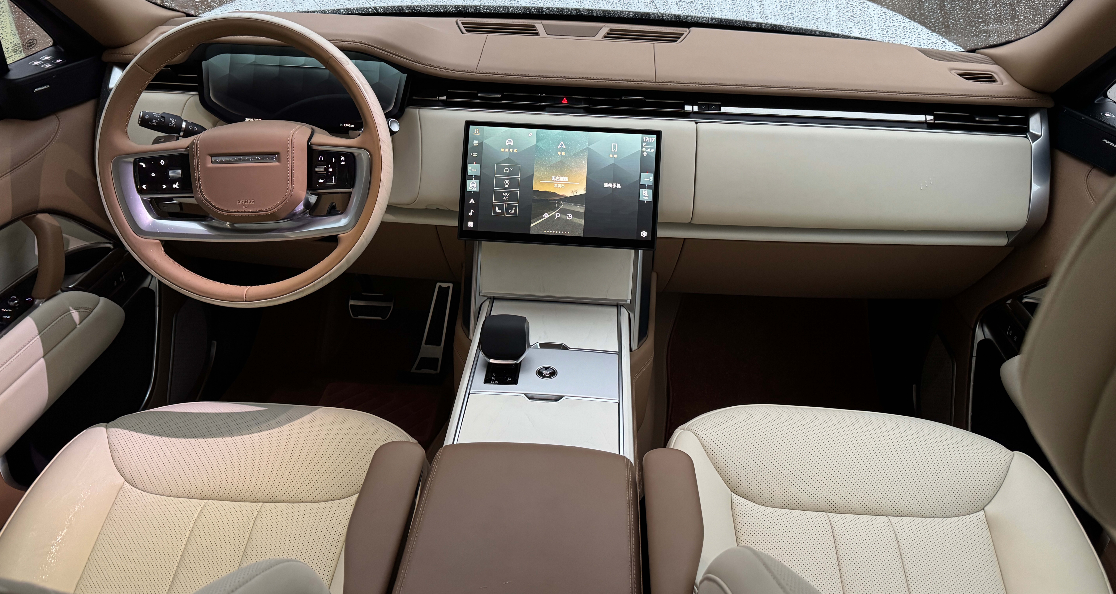 After this complete upgrade, the transformation is striking. The exterior retains its composed business presence, while the interior has shed its utilitarian, cheap feel – unified in quality, refined in detail, and supremely comfortable.

