



Beginner’s Guide for Auto-Modification Entrepreneurs: Core Criteria for Brand-Partnership Selection


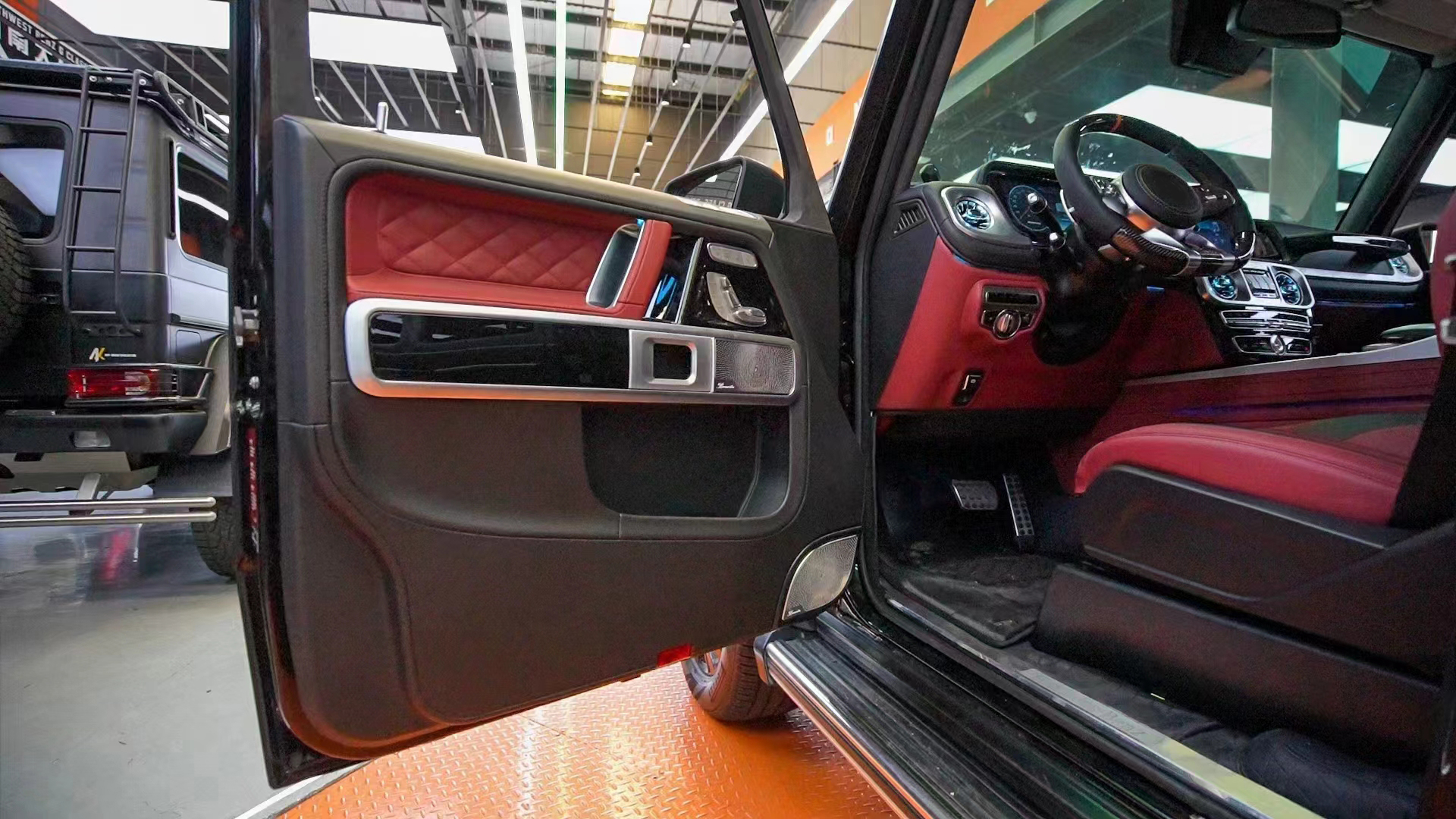
China’s auto-modification market is poised for explosive growth. Latest data shows its market size has exceeded RMB 160 billion, with a 23.5 % year-on-year increase in Q1 2026, far outpacing the overall growth of the automotive aftermarket. Interior upgrades account for 31 % of total consumption, ranking as the second-largest business segment.
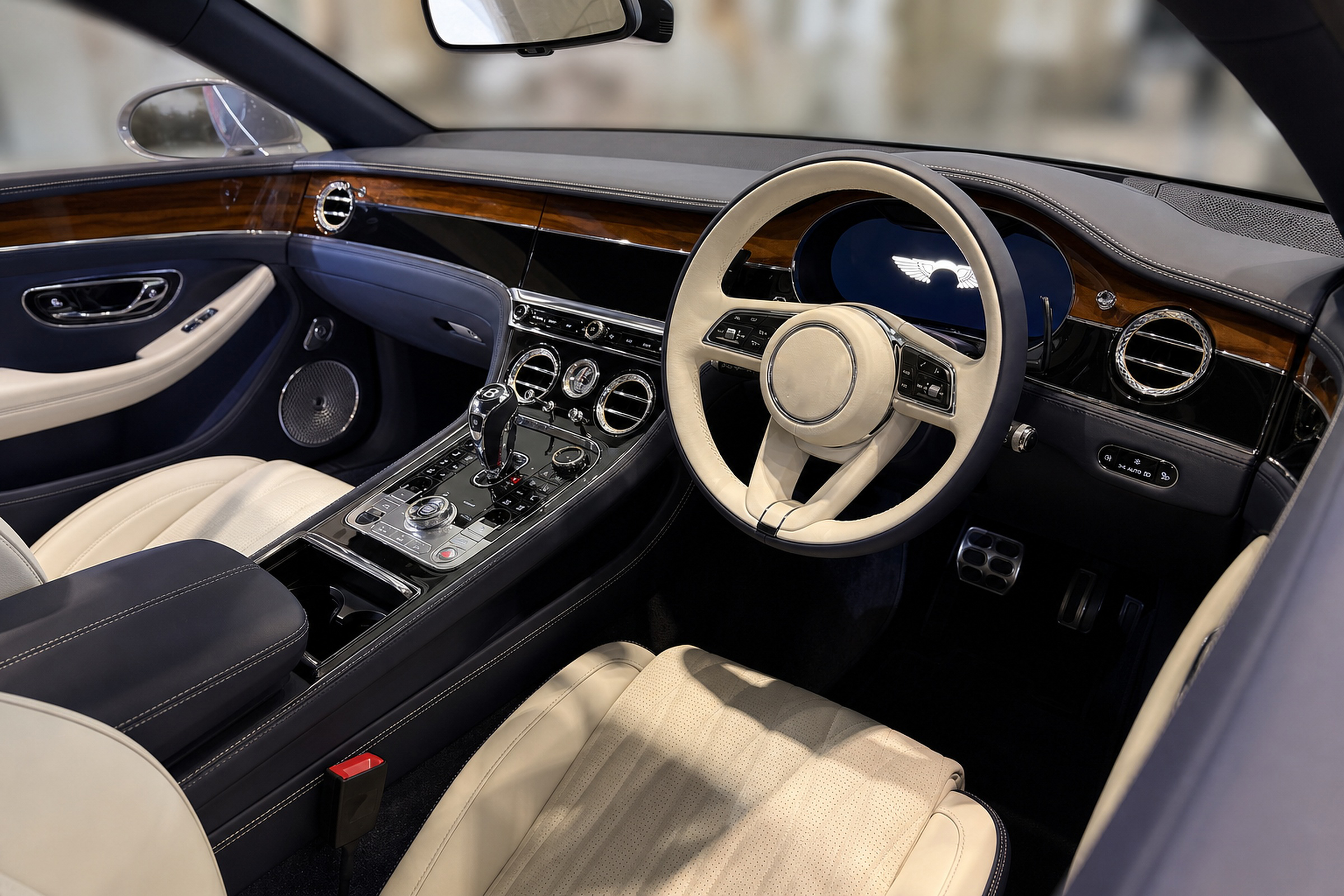
In June 2026, nine government authorities including the Ministry of Commerce jointly released the Notice on Measures to Foster and Expand Consumption in the Automotive Aftermarket. It put forward 17 concrete measures covering six major sectors including auto modification. For the first time, tiered-classified management for auto modification was formally introduced, with clear modification-project lists and improved rules for vehicle inspection and registration changes. This landmark policy unlocks long-term growth potential for the whole industry.
According to Wang Du, Vice-President of the China Automobile Dealers Association, the new policies will trigger market-wide expansion. “The market scale is expected to reach roughly RMB 300 billion within one to two years, and may hit a trillion-yuan level over the long term.”
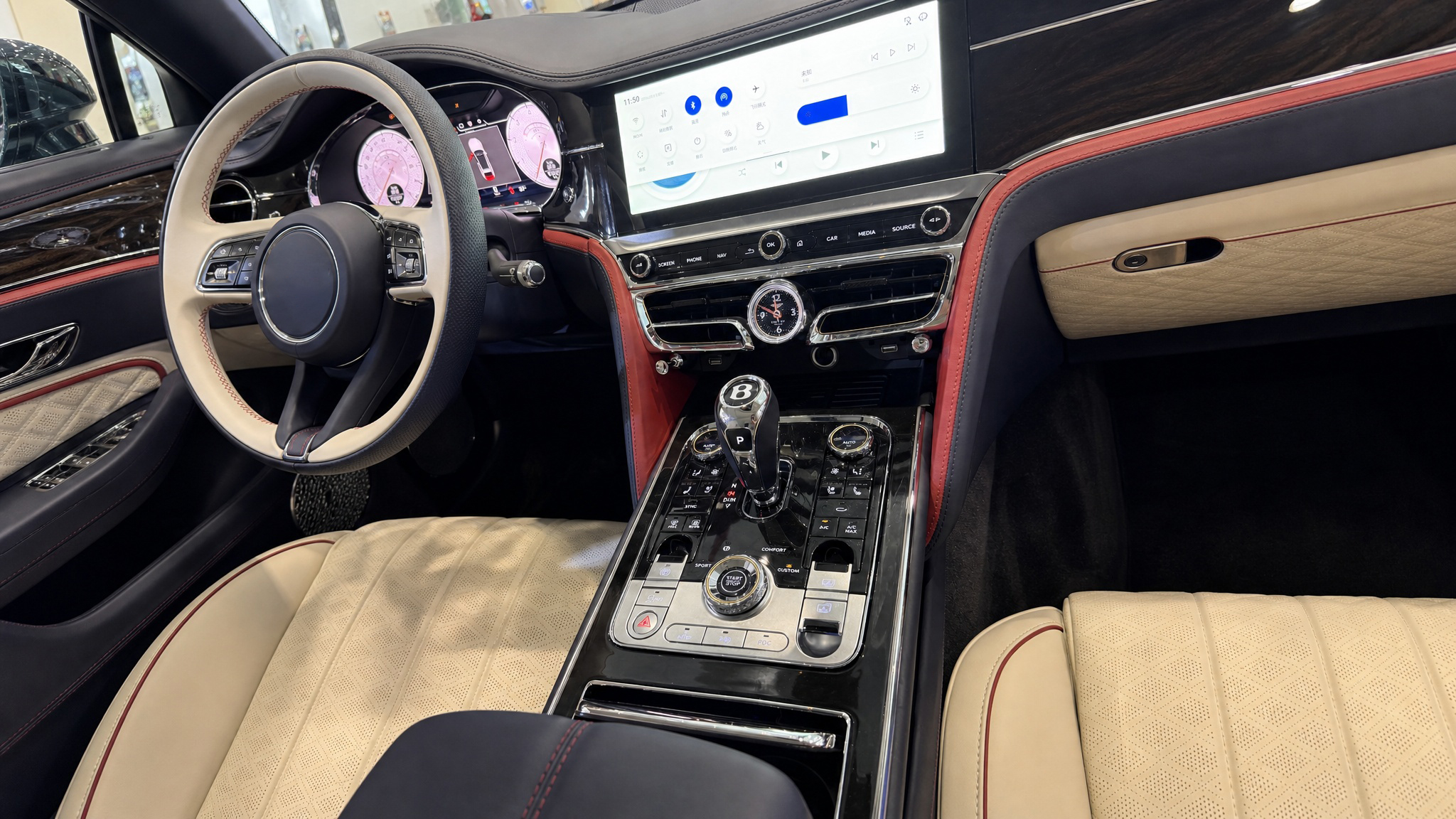
I. The Biggest Pitfall for New Entrepreneurs: Obsessing Over Low Prices
Driven by promising market prospects, many new-comers step into the modification business. Yet one common misconception leads to costly mistakes: choosing partners purely based on price. “This supplier’s seats are RMB 2,000 cheaper; that vendor’s flooring costs RMB 500 less.” Piece-by-piece price comparison often results in heavy losses stemming from poor quality, delayed deliveries and troublesome after-sales issues. The “savings” from low-cost suppliers eventually boomerang in unexpected ways.
Chasing low prices while overlooking product quality, technical support and supply-chain reliability brings severe consequences:
Compromised quality eats into profits via heavy after-sales costs. Low-cost seats may suffer motor jamming, leather cracking or failed ventilation within half a year. Workshops bear all repair expenses and suffer reputational damage. The small savings on procurement are easily wiped out by after-sales troubles.
Mismatched parts create installation dead-ends. Upon delivery, seats may have misaligned mounting holes, while trim panels fail to match body curves. Parts cannot be fitted properly, yet returns come too late. Forced installation leads to rattles, loose components and customer complaints.
Zero technical support forces blind self-troubleshooting. Without installation guides or technical backup, your team has to figure out every problem independently. Man-hours surge and finished-product quality cannot be guaranteed.
Such setbacks rarely stem from the entrepreneur’s incompetence; they mostly come from picking the wrong business partner.
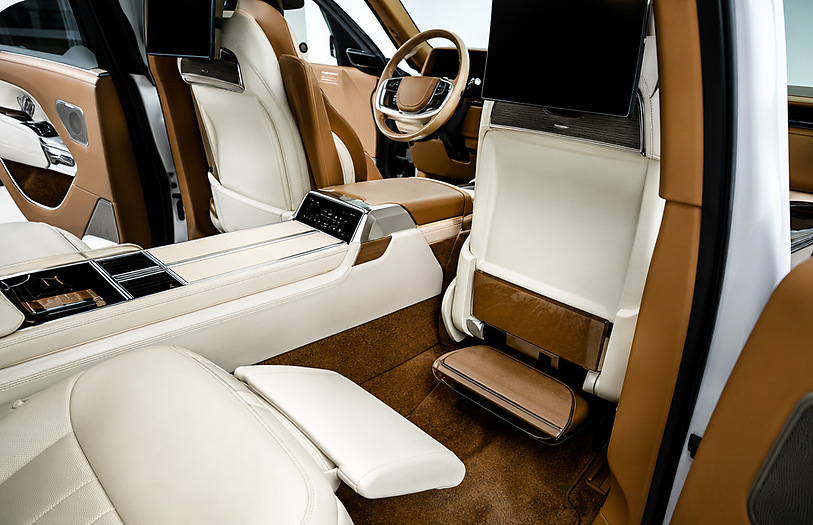
II. Five Core Principles for Selecting Brand Partners
New business owners are occupied with site selection, renovation and staff recruitment. Many gravitate toward cheap sourcing, only to face poor part fitment, overwhelming after-sales cases and unstable supply. Their new shops collapse before gaining solid market traction.
For inexperienced newcomers, picking the right partner matters far more than chasing the lowest purchase price. Instead of only checking unit-product quotations, evaluate suppliers against these five essential criteria:
In-house R&D and manufacturing capability; avoid pure-trading OEM suppliers Prioritize brands with in-house mold workshops and complete production lines. Independent mold-making capacity guarantees vehicle-specific fitting precision and steady new-product iteration speed. Pure-trading OEM partners own no manufacturing capacity. They cannot rectify mass-production defects, leaving new workshops to bear all losses.
Comprehensive product portfolio covering mainstream popular vehicle models New workshops seldom handle niche vehicles. Most orders come from mainstream luxury lines such as Mercedes-Benz, BMW, Land Rover and Toyota. Your partner should deliver a complete interior-kit matrix for these widely-seen models, combining standardized stock units with custom-build options. This lets you serve clients with varied budget ranges and accept diverse orders.
Strict quality-control systems and valid safety certifications Interior modification involves electrical reworking and seat-structure safety, so safety is non-negotiable. Confirm that products hold valid 3C safety certification, IATF 16949 quality-management certification and VOC environmental-test reports. Leathers, wiring and seat frames must pass full-range testing to minimize risks such as fire hazards, abnormal rattles and unpleasant odors, and safeguard your new shop’s reputation.
Complete operational enablement, beyond mere product supply New entrepreneurs lack not only supplies, but also technical know-how, sales skills and marketing resources. Qualified partners should provide hands-on product-and-installation training, remote technical support, real-vehicle project references and sales-configuration templates. These resources offset insufficient hands-on experience and reduce reliance on highly-skilled senior technicians, so new businesses do not need to build everything from scratch.
Reasonable cooperation thresholds and exclusive-territory protection Steer clear of partnerships demanding excessive minimum-order volumes or mandatory stockpiling, which drain startup capital. Prefer brands that offer regional-protection policies. This prevents multiple local workshops from sourcing identical kits and engaging in ruinous price competition, securing your local profit margins.
Vehicle models and customer aesthetic preferences evolve rapidly in this industry. Brands lacking R&D capacity offer outdated, obsolete products and will be phased out within half a year. If you tie your business to such suppliers, you lose market competitiveness and face shrinking order volume.
Additional criterion: Continuous brand iteration capacity for sustainable operation Work with brands that maintain in-house R&D teams and roll out regular updates. They launch new kits, fresh color schemes and upgraded craftsmanship to match newly-released vehicles and shifting consumer tastes. RELY AUTO invests consistently in R&D, releasing new items, optimizing craftsmanship and expanding its vehicle-fit library every month. Partner workshops gain access to cutting-edge products and sustain long-term market competitiveness.
III. The Ideal Partner for New Modification Entrepreneurs
Industry research shows merely 58 % of newly-opened modification workshops survive over three years. More than 60 % of failed startups collapse not due to poor craftsmanship or low foot traffic, but because of ill-chosen supply-chain partners.
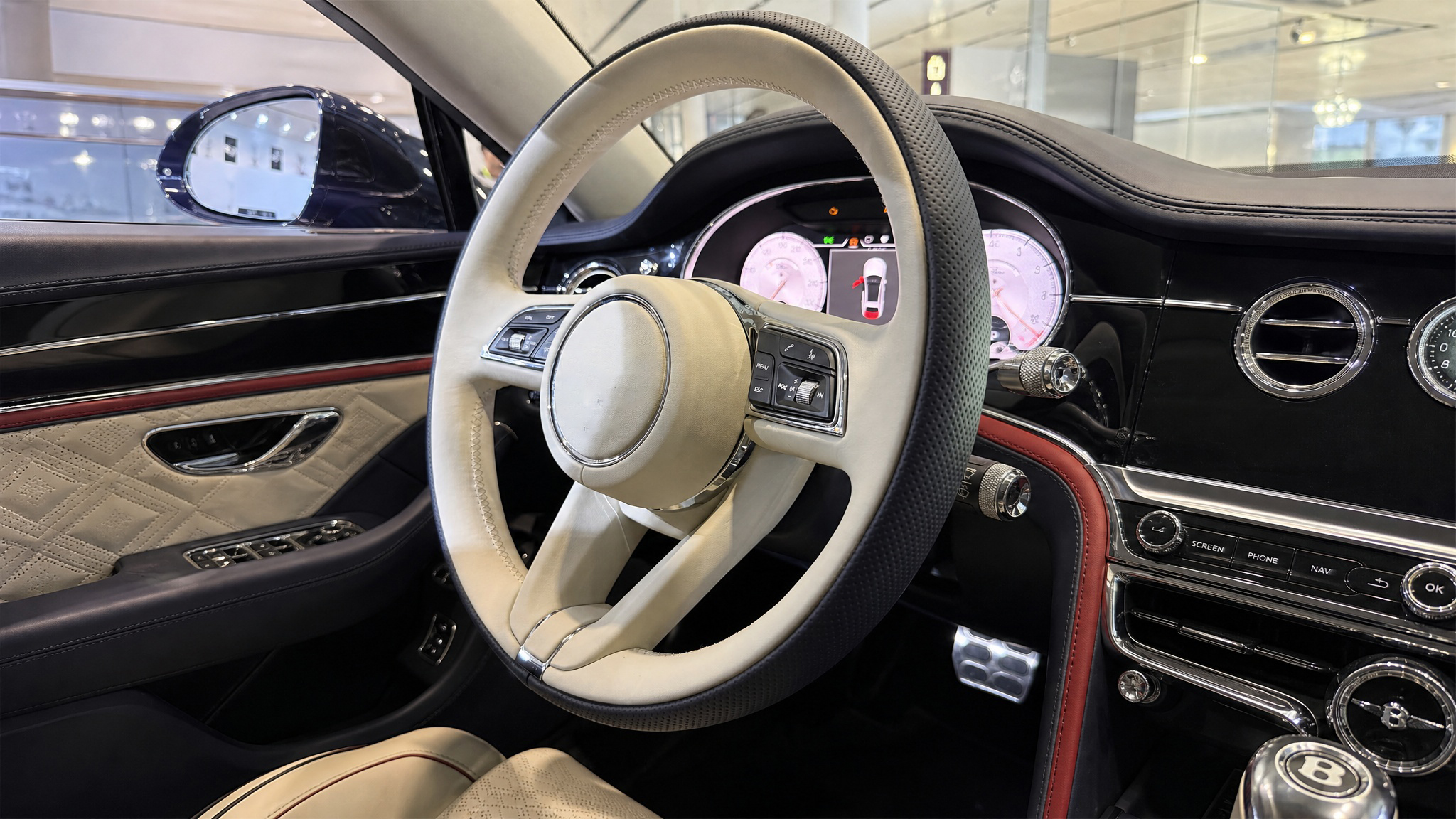
Specializing in premium MPV and luxury-SUV interior-and-exterior upgrades, RELY AUTO has focused on R&D, manufacturing and sales of auto-seat and interior-modification kits since its foundation in 2016. Its products are sold across North America, Western Europe, Southeast Asia and other global markets:
1:1 high-precision mold development covering G-Class, BMW, V-Class and Sprinter platforms, delivering OEM-grade fitting accuracy
Full-chain in-house manufacturing: unified quality control for frames, foam padding, leather upholstery and final assembly
Valid 3C safety certification; all items pass safety-performance and VOC environmental-compliance testing
Full-range product matrix: one-stop sourcing for aviation-style seats, flooring, headliners and ambient-lighting components
Professional technical training and after-sales support; senior-engineer team supplies installation guidance and problem resolution
For new modification entrepreneurs, brand selection is never about chasing rock-bottom prices. It is about reliability, security, long-term growth and competitive edges. Apply these core screening standards to steer clear of 90 % of common startup pitfalls in this sector.
Related News
-
 Apply these core screening standards to steer clear of 90 % of common startup pitfalls in this sector.
-
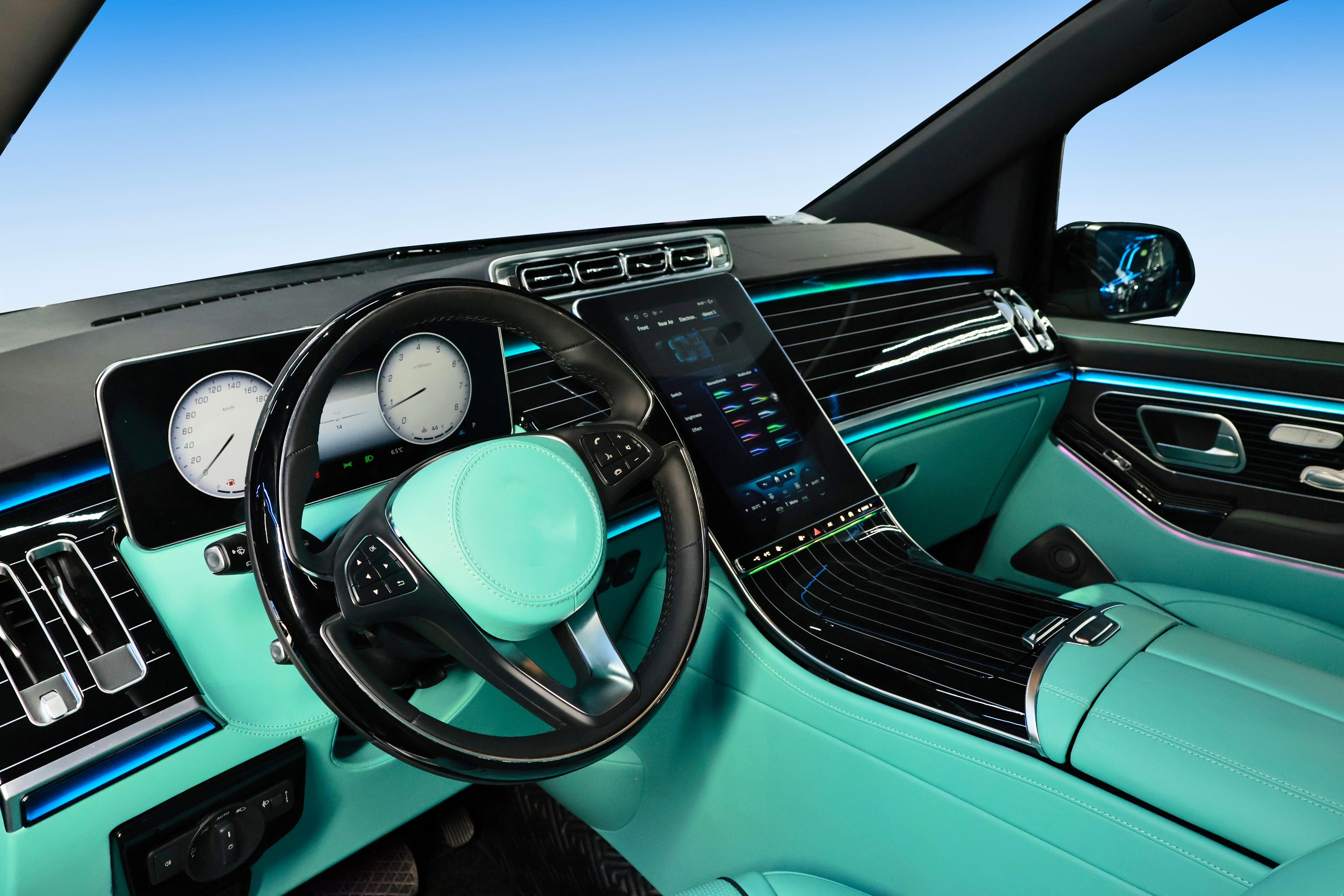 With zero middlemen, we supply directly to modification workshops. Partner clients connect straight with our factory, skip multi-tier distribution markups and achieve higher profit per completed project.
-
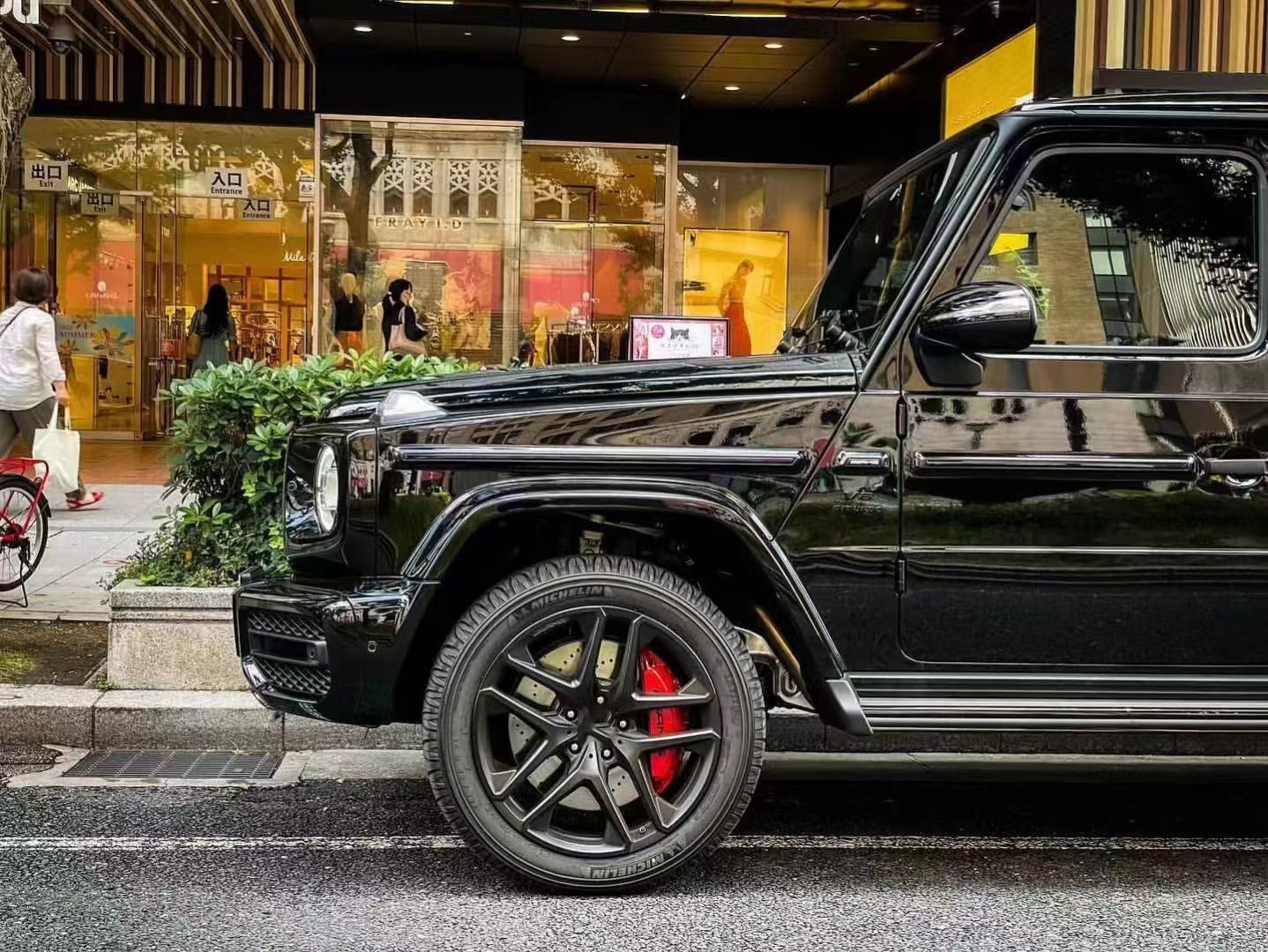 With basic workshop equipment and standardized sales scripts, your team can take on modification projects for these four vehicle lines, expand order sources and lift overall business revenue potential.
