



Off-Road Vehicle Interior Restoration – Durable Materials Meet Luxury Cabin Design


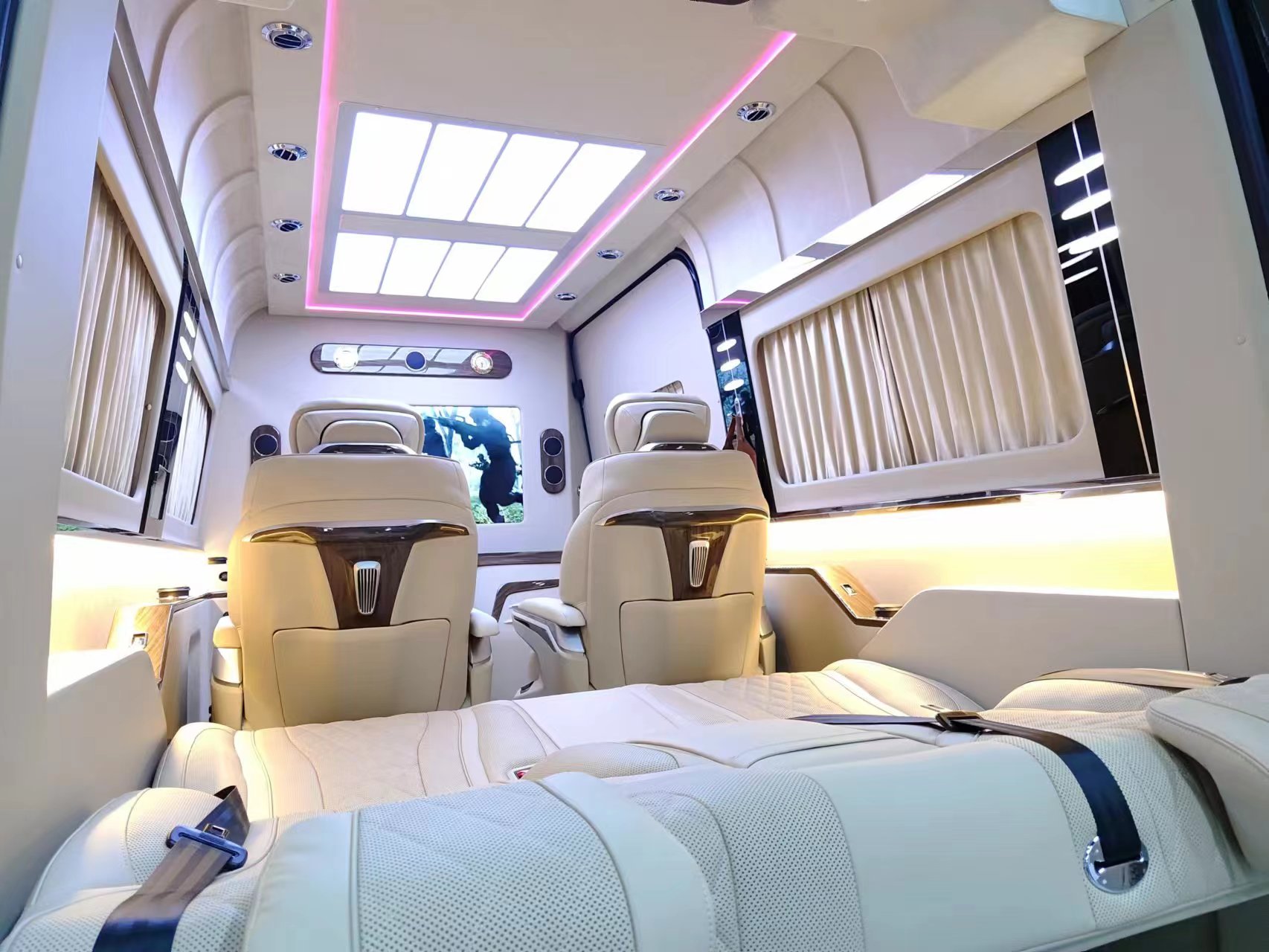
Hard-core off-road vehicles – with their exceptional off-road capability, robust reliability, and outstanding versatility – are the preferred choice for overland adventures, mountain driving, and off-road exploration. Whether for daily city commuting or tackling rugged trails and long-distance overland journeys, these vehicles handle it all with ease, exuding a commanding presence.
However, most factory off-road interiors are designed with a utilitarian focus – primarily serving off-road use – resulting in a coarse overall quality. Large areas of hard plastic, basic fabric upholstery, and firm, thinly padded seats are durable and can withstand harsh outdoor conditions, but they lack any sense of luxury. Over time, the interior accumulates dust, shows signs of wear, and darkens with age – appearing dated and compromising the ride comfort for daily commuting and short trips.
Many off-road owners find themselves in a dilemma: upgrade to a luxurious interior, and the delicate materials are not durable enough for off-road use; stick to basic restoration, and the cabin remains utilitarian and unrefined. In reality, a professional off-road interior upgrade can achieve both durability and luxury – using specialised abrasion-resistant materials combined with refined, light-luxury design – preserving the vehicle‘s rugged character while elevating the cabin, making it suitable for both off-road adventures and daily use.
I. Core Shortcomings of Factory Off-Road Interiors – Durable but Lacking Refinement
Factory off-road interiors are purpose-built for off-road performance – they offer little in terms of comfort, luxury, or family-friendly features. The shortcomings are clear:
Strong plastic feel – lack of luxury: The dashboard, door panels, armrests, and instrument panel are covered in hard plastic – harsh to the touch and visually monotonous – creating a cheap, basic interior that does not match the vehicle‘s imposing exterior.
Factory materials age poorly and are difficult to clean: The fabric headliner and standard leather seats easily pick up mud, sand, and dust during off-road excursions. Dirt becomes trapped in crevices and is difficult to remove. Over time, they pill, wear, and fade – leaving the cabin looking shabby and unkempt.
Poor seat comfort: Factory seats have firm foam, basic support, and poor contouring – designed to withstand off-road conditions at the expense of comfort. While acceptable for city driving, on long overland journeys, the lower back and legs fatigue quickly – resulting in a harsh ride experience.
Inadequate protection – rapid wear: Off-road vehicles operate in challenging environments. The factory lacks scratch protection, scuff protection, and dust sealing. Getting in and out, loading gear, and off-road vibration all contribute to scratches, damage, and accelerated ageing – reducing the interior‘s lifespan.
II. Core Logic of the Conversion – Preserve Off-Road Character, Upgrade to Light Luxury
The biggest mistake in off-road interior conversions is adopting a full-scale business-style approach with excessive soft wrapping. Piling on delicate materials and flashy decorations may look impressive initially, but they are not scratch-resistant, stain-resistant, or durable. A single off-road trip will result in wear, stains, and deformation – defeating the purpose of the vehicle.
The right approach is: durability first, luxury accents, comfort upgrades, and dual-scenario adaptability. Retain the vehicle‘s inherent robustness and ability to handle challenging terrain. Through specialised abrasion-resistant premium materials, refined interior design, and ergonomic comfort optimisation, the cabin can withstand off-road grit and vibration while projecting everyday light-luxury quality.
III. Full Restoration and Upgrade Package – Durability and Light Luxury Combined
1. Full-Cabin Wrapping in Durable Materials – Upgrading Both Durability and Quality
Material selection is the most critical aspect of an off-road conversion. Replace the factory‘s fragile fabrics and hard plastics – while avoiding delicate, soft luxury materials that are not durable. Choose specialised high-grade leather that is abrasion-resistant, scratch-resistant, ageing-resistant, and easy to clean – capable of withstanding off-road conditions.
All high-contact areas – door panels, centre console, armrests, dashboard, and seats – are wrapped in thickened, abrasion-resistant Nappa leather. The tight grain resists scratches, dirt, and daily wear. Mud, dust, and stains are easily wiped clean – significantly reducing post-off-road cleaning effort. The headliner and pillars are finished in matte materials that resist dust and ageing – maintaining a fresh appearance over years of use.
Colour schemes focus on dark, rugged tones and two-tone combinations – understated and composed, matching the vehicle‘s tough character, while eliminating the cheap plastic look – delivering a visible upgrade in interior quality that is both timeless and durable.
2. Ergonomic Seat Restoration – Comfort Without Compromising Off-Road Support
Seat upgrades offer the greatest improvement in comfort and overall driving satisfaction. Factory off-road seats are often firm, lack lateral support, and have limited adjustment – designed to provide support during extreme off-road manoeuvres, but at the cost of daily and long-distance comfort.
Option 2: Replacing with aviation seats – a complete rear-seat transformation. Replacing the original rear (or middle-row) seats with independent aviation seats is the most comprehensive solution. Using the Land Cruiser or Prado as an example, upgraded aviation seats typically feature:
16-way electric adjustment – backrest reclines up to 150-160 degrees, paired with an electric leg rest – allowing true “flat-out” relaxation on long overland journeys.
Ventilation and heating – cool in summer, warm in winter.
Multi-mode pneumatic massage – relieving fatigue after rough terrain.
Wide centre aisle – facilitating access to the third row (essential for seven-seat off-roaders).
Important: The armrest material on off-road aviation seats must be carefully chosen. Some models use wooden armrests, which can loosen and rattle on rough terrain, and may emit excessive formaldehyde. Reputable products use VCT injection-moulded armrests or metal frames wrapped in leather – offering higher strength, no rattles, and greater safety.
Option 3: Front seat ventilation + lumbar support upgrade – a hidden benefit for the driver. Many off-road owners focus on the rear seats but overlook the driver‘s comfort. Adding ventilation and electric lumbar support to the front seats significantly reduces driver fatigue on long overland journeys. The ventilation feature is especially valuable – in hot climates, the driver‘s back stays dry and comfortable.
3. Light-Luxury Details – Elevating the Cabin‘s Refinement
While preserving the off-road character, subtle accents enhance the premium feel – avoiding ostentatious decoration. Carbon fibre trims and brushed metal accents are applied to the dashboard, door panel armrests, and rear trim – clean, understated – neutralising the harshness of plastic and adding a refined, light-luxury atmosphere.
Precision hand-stitching is consistent throughout – straight lines, full upholstery, neat edge finishing – eliminating the factory‘s coarse workmanship. The overall style is restrained and cohesive – balancing rugged off-road presence with premium cabin refinement – a clear upgrade in quality.
4. Off-Road-Specific Protection Upgrades – Long-Term Interior Preservation
The greatest technical challenge in off-road interior conversions is not “how to make it look good” but “how to make it stay intact.” Conversion techniques designed for passenger cars often fail under off-road conditions – severe vibration, temperature fluctuations, and high-intensity shocks demand exceptional installation standards.
Using a Land Cruiser as an example, a typical off-road interior conversion process is as follows:
Full strip-down – remove the headliner, carpet, seats, door panels, and dashboard – exposing the bare bodyshell.
Three-layer sound insulation – apply damping sheets, sound-deadening foam, and acoustic absorption material to the floor, doors, wheel arches, and boot.
Flooring installation – fit aviation-grade aluminium flooring, with precise cutouts for seat mounting points – preserving the original structure.
Wrapping and reassembly – each door panel, dashboard panel, and headliner section is wrapped in leather or Alcantara and reinstalled.
Seat installation and testing – fit the aviation seats, connect the wiring, test each function individually – and conduct a road test to confirm no rattles before delivery.
Where does craftsmanship make the difference? An average conversion shop‘s off-road interior will rattle after just a few bumps. A truly professional team applies thread-locking compound to every bolt, abrasion-resistant tape to every wiring harness, and anti-vibration washers to every trim panel clip. These unseen details determine the long-term durability of the conversion.
IV. Off-Road Interior Restoration – Buyer‘s Guide
To achieve a durable, luxurious, and timeless off-road cabin – avoiding mistakes and regrets – follow these core standards:
Prioritise off-road-specific durability: Avoid excessive soft wrapping and delicate materials. Focus on abrasion-resistant, scratch-resistant, and ageing-resistant materials – without compromising the vehicle‘s off-road character.
Insist on non-destructive vehicle-specific fitment: Use 1:1 OEM-grade tooling – no cutting, no wire splicing – preserving the original structure and safety.
Balance comfort and support: Seats should be neither too soft nor too firm – providing both off-road support and long-distance comfort.
Restrained luxury accents: Focus on material quality and refined detailing – avoid flashy, excessive decoration – aligned with the rugged off-road aesthetic.
Select features by need: Prioritise protection, storage, ventilation, and heating – avoid redundant features that increase failure rates.
A carefully restored and upgraded off-road vehicle embodies a perfect fusion of two characters: it retains the hard-core capability to conquer the wilderness – durable materials, washable flooring, and vibration-resistant craftsmanship – while offering the refined comfort of a luxury cabin – Nappa leather, Alcantara headliners, aviation seats, and ambient lighting.
RELY AUTO Bespoke Solutions – dedicated to non-destructive, personalised interior and seat upgrades for luxury SUVs and high-end commercial vehicles. With precision OEM-grade tooling, premium materials, and meticulous craftsmanship, we balance cabin quality, ride comfort, and practical performance – creating a refined, luxurious experience for every journey.
Related News
-
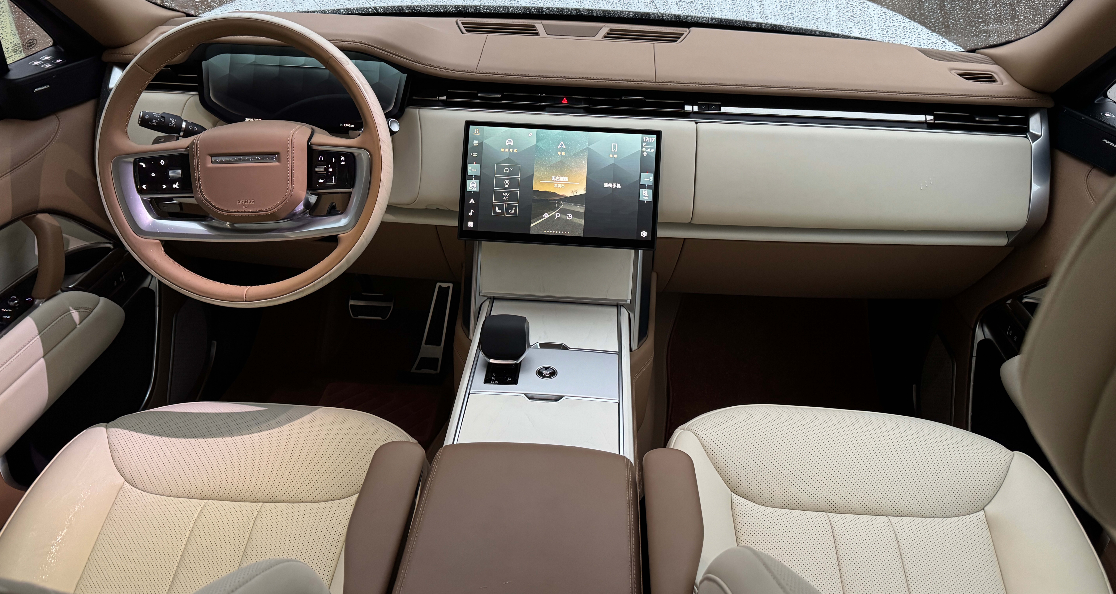 After this complete upgrade, the transformation is striking. The exterior retains its composed business presence, while the interior has shed its utilitarian, cheap feel – unified in quality, refined in detail, and supremely comfortable.
 -
 how do you distinguish true "premium" interior conversions from those that appear cheap but are actually costly in the long run? This guide breaks down the truth from four dimensions: materials, craftsmanship, design, and installation.
 -
 A carefully restored and upgraded off-road vehicle embodies a perfect fusion of two characters: it retains the hard-core capability to conquer the wilderness – durable materials, washable flooring, and vibration-resistant craftsmanship – while offering the refined comfort of a luxury cabin – Nappa leather, Alcantara headliners, aviation seats, and ambient lighting.
