



Toyota Off-Road Interior Upgrades – Balancing Rugged Durability with a Luxurious Cabin


In the world of hard-core off-roading, Toyota‘s standing is unrivalled. The legendary reliability of the Land Cruiser, the versatility of the Prado, the commanding presence of the Sequoia – every Toyota off-roader is a tool built to conquer the wilderness. Yet, one question plagues countless Toyota off-road owners: the factory interior feels too much like a “work tool.”
Open the door – expansive areas of hard plastic, dull colour tones, seats that lack a sense of embrace. These details leave many owners lamenting: “The vehicle is excellent, but the interior does not match its stature.” Particularly on long overland journeys, the comfort of rear-seat passengers – family or companions – often becomes an overlooked weak point.
So the question is: can a Toyota off-roader‘s interior be transformed into a luxurious cabin while retaining its rugged durability?
I. The Core Shortcomings of Toyota Factory Off Road Interiors – Practical but Lacking Refinement
The interior design of Toyota off-road vehicles is primarily focused on off-road scenarios, prioritising durability above all else. However, comfort and refinement do not extend to all-round use, and the shortcomings are clear:
Firm, thin seats – long-journey fatigue: Factory seat foam is firm, the support structure is basic, and cushion contouring is average. Acceptable for city commuting, but on extended overland trips – hundreds of kilometres at a stretch – the lower back and legs lack effective support, leading to numbness and fatigue. This is the most frequently reported pain point. Some older models also suffer from foam collapse and reduced support over time.
Strong plastic feel – a sparse ambience: The dashboard, door panels, armrests, and instrument panel are covered in extensive hard plastic – harsh to the touch, visually monotonous, and devoid of any luxury feel. The overall interior leans towards utilitarian, poorly matching the vehicle‘s formidable presence.
Materials that stain easily – hard to clean after off-road use: The factory fabric and standard leather surfaces are prone to picking up mud, sand, and dust during off-road excursions. They are difficult to clean, and over time, they darken, wear, and age – leaving the cabin looking shabby.
Lack of comfort features – poor year-round experience: Entry- and mid-level trims lack essential features such as seat ventilation and heating. After exposure to the sun, seats become scorching hot; in winter, they are freezing cold – severely compromising comfort on long journeys.
Inadequate protection – prone to wear and ageing: The original door panels, seat rails, and floors lack protective measures. Scratches, dust accumulation, and mud buildup are common after getting in and out, loading gear, or driving on rough terrain – accelerating interior deterioration.
II. The Core Logic of the Conversion: Preserve Off Road DNA, Upgrade the Luxury Experience
The biggest mistake in off-road interior conversions is blindly pursuing luxury at the expense of the vehicle‘s original off-road character. Many conversions over-upholster with delicate materials that look good but are not durable. Once exposed to real off-road conditions – corrugations, dust, mud – they quickly wear, stain, or deform, completely unsuited to the demands of an off-road vehicle.
The right approach for Toyota off-roaders is: durability first, comfort second, luxury as an accent. Retain the vehicle‘s inherent robustness, stability, and adaptability to challenging terrain. Through premium, abrasion-resistant materials, ergonomic seat optimisation, and refined detailing, the cabin can withstand off-road grit while projecting everyday sophistication – achieving a balance between rugged practicality and understated luxury.
III. Upgrade Solutions: Abrasion Resistance + Light Luxury – a Dual Approach
(1) Material Upgrades: Luxury Feel Combined with Durability
The choice of interior materials for an off-road vehicle is fundamentally different from that for a passenger car. They must not only look and feel premium but also withstand dust, intense sunlight, and frequent cleaning.
Nappa leather – the first choice for luxury, but craftsmanship matters. Full-seat upholstery in imported Nappa leather is the most popular premium upgrade. Treated with specialised processes, Nappa leather offers a fine texture and soft colour tones that instantly lift the interior.
Alcantara suede – ideal for headliners and door panels. The factory fabric headliner not only looks cheap but also attracts dust. Replacing it with Alcantara immediately elevates the cabin‘s feel. Alcantara also offers some slip resistance and sound-damping properties, reducing interior rattles on rough roads.
Wood / carbon fibre trim – breaking the monotony of hard plastic. The large plastic panels on the factory dashboard and door panels are the main source of “cheapness.” Adding walnut wood or carbon fibre inserts to the dashboard, door armrests, and centre console introduces natural grain and warmth to the rugged interior.
Aviation-grade aluminium flooring – a practical upgrade over factory carpets. Factory carpets are a “nightmare” in off-road use – mud, sand, spilled drinks – they are extremely difficult to clean. Replacing them with aviation-grade aluminium or marble-effect flooring offers a finish far superior to factory carpets, while being wear-resistant, waterproof, and incredibly easy to clean – a wipe with a damp cloth is all it takes.
(2) Seat Upgrades: From “Sitting” to “Mobile First Class”
The rear seats of Toyota off-roaders, in factory form, can only be described as “functional.” The backrest is upright, the foam is firm, and there is a lack of lateral support – acceptable for short trips, but on extended overland journeys, passenger fatigue builds quickly.
Option 1: Replacing with Aviation-Grade Seats – a Complete Rear-Seat Transformation
This is currently the most comprehensive solution. The original rear seats are removed and replaced with two independent luxury aviation seats. Taking the Land Cruiser as an example, upgraded aviation seats typically feature:
16-way electric adjustment – backrest angle, fore-aft, headrest height, and lumbar support are all precisely adjustable.
Retractable leg rests – allowing full lower-limb extension on long journeys.
Multi-mode massage – providing welcome relief after rough terrain.
Ventilation and heating – all-season comfort.
Wireless charging and USB ports – meeting modern device charging needs.
One owner commented after the upgrade: “So much more comfortable than the original seats – the backrest reaches 160 degrees, allowing for a proper nap even on long overland trips.”
Option 2: Factory Seat Re-upholstery – a cost-effective alternative.
If you prefer not to undertake extensive modifications, you can retain the original seat frame, re-upholster in premium leather, and optimise the foam filling. Upgrading from fabric to Nappa leather, with perforation and diamond stitching, can also significantly enhance the luxury feel. Simultaneously, the foam density and support can be adjusted to achieve an optimal balance of firmness and comfort.
Compliance and safety: Replacing seats with the same number of aviation seats is considered an interior functional upgrade – it does not change the seat count or layout, requires no registration, and does not affect annual inspections. However, it is essential to choose products that carry 3C mandatory safety certification and to use original mounting points for non-destructive installation – avoiding any compromise to the body structure.
(3) Spatial Reconfiguration: From “Workhorse” to “Mobile Luxury Cabin”
Toyota off-roaders offer excellent spatial foundations – the Land Cruiser, for example, with a 5-metre length and nearly 3-metre wheelbase, provides ample room for transformation.
Rear legroom extension – repositioning 10-20 cm rearward: Through professional modification, aviation seats can be moved 15-20 cm rearward compared to the original position, significantly expanding legroom. This allows rear passengers to genuinely recline rather than sit cramped during long overland journeys.
Partition and privacy systems – creating an exclusive space: For owners who also use their vehicle for business hospitality, a fixed partition can be installed between the front and rear cabins – using laminated privacy glass with a walnut wood frame, completely separating the driver‘s area from the rear. A smart touchscreen on the rear-facing side of the partition allows control of rear air conditioning, lighting, and entertainment. Combined with privacy curtains, the cabin becomes a quiet, private space – perfect for business discussions or relaxation.
Entertainment and ambience – making long journeys enjoyable: A 15.6-inch high-definition floating entertainment screen can be mounted in front of the rear seats, integrating audio-visual playback and navigation mirroring. Combined with multi-zone intelligent ambient lighting and a starlight headliner, night-time driving becomes a truly immersive experience.
Concealed storage and functional accessories – attention to detail: Fold-away business tables and footrests can be added behind the front seats for working or dining. A concealed minibar can be integrated into the rear centre armrest for storing glassware and wine. These subtle additions transform the Toyota off-roader from a “backcountry tool” into a “versatile mobile space.”
IV. Special Considerations for Off-Road Conversions – Pitfalls to Avoid
Toyota off-road interior conversions have a few unique considerations that are easily overlooked:
Material selection must be “off-road-grade.” Luxury materials designed for passenger cars may not withstand off-road conditions. For instance, ordinary wood trims can crack under severe vibration; standard leather may fade and crack after prolonged sun exposure. Always choose materials that have been tested for weather resistance.
Choose the right armrest material for aviation seats. Some aviation seats on the market use wooden armrests, which can loosen and rattle on rough terrain, and may even emit excessive formaldehyde. Reputable products typically use VCT injection-moulded armrests – higher strength, rattle-free, and safer.
Installation quality determines safety. The chassis structure of off-road vehicles differs from unibody cars. Seat installation must use the original floor mounted threaded holes, secured with high-strength bolts. Any installation method that compromises the body structure carries safety risks.
Electrical wiring must be professional. Aviation seats involve multiple power-drawing components – electric adjustment, ventilation, heating, massage. Wiring must be independently routed with appropriate fusing, avoiding splicing into the original harness – reducing the risk of short circuits and fire.
Toyota off-roaders have been born with a mission – to conquer: the wilderness, the desert, every challenge. But a truly outstanding off-road vehicle should not only satisfy the driver. The passengers in the rear – family, friends, business partners – their experience is equally defining of the vehicle‘s value.
Choosing a professional brand with proven capability and credentials is essential. RELY AUTO, with years of experience in high-end commercial vehicle and luxury SUV interior and exterior upgrades, offers 1:1 tooling capability – ensuring all panels and seats achieve OEM-grade fitment and non-destructive installation. From Nappa leather and Alcantara to carbon fibre and rare wood veneers, full colour and pattern customisation is available. We provide one-stop kit supply – from individual seats to complete interior packages – covering all mainstream Toyota off-road platforms including the Land Cruiser, Prado, and Sequoia. All products undergo rigorous safety certification, backed by a professional technical team for installation guidance and after-sales support.
Choosing such a professional partner ensures your conversion is hassle-free, reliable, and truly turns every off-road journey into an extraordinary luxury experience.
Related News
-
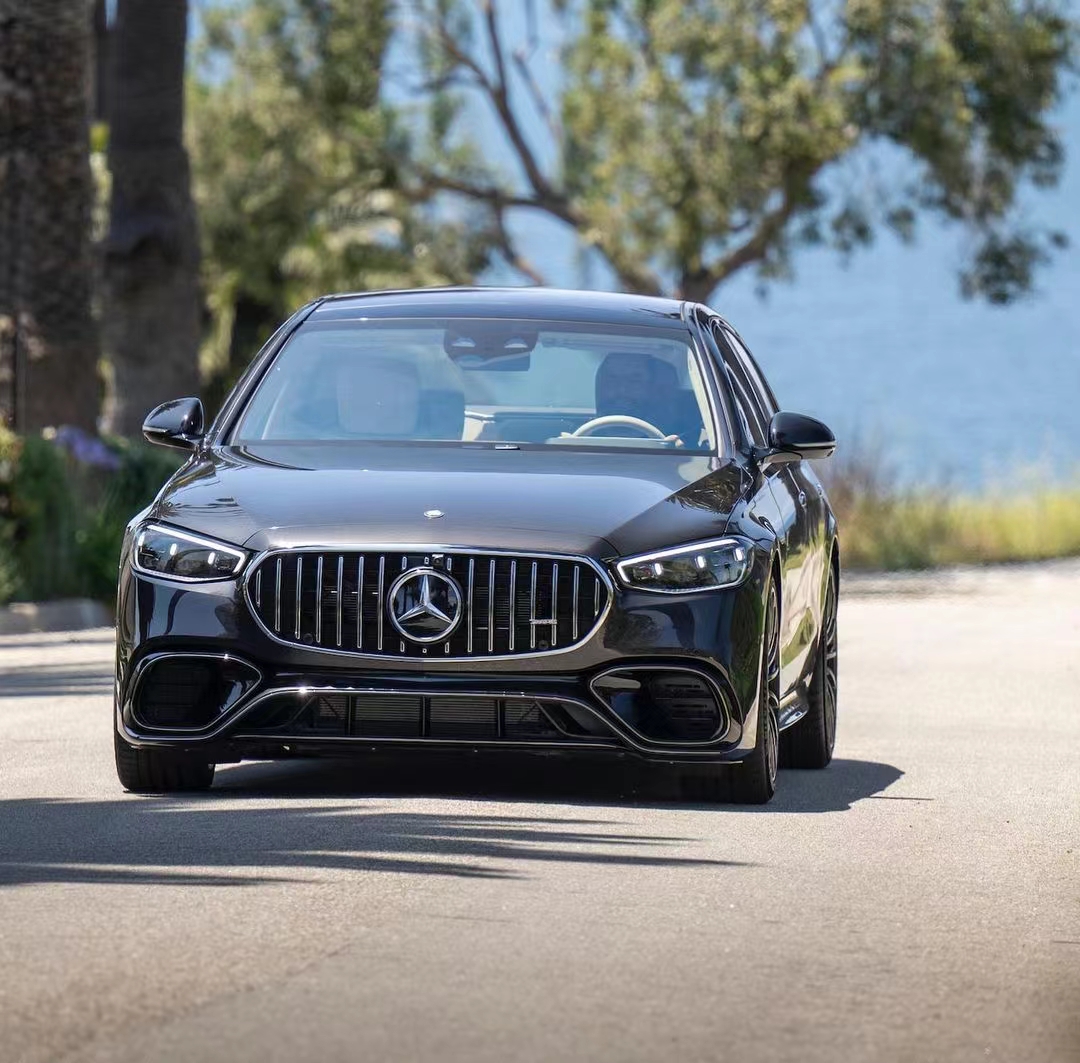 how do you distinguish true "premium" interior conversions from those that appear cheap but are actually costly in the long run? This guide breaks down the truth from four dimensions: materials, craftsmanship, design, and installation.
 -
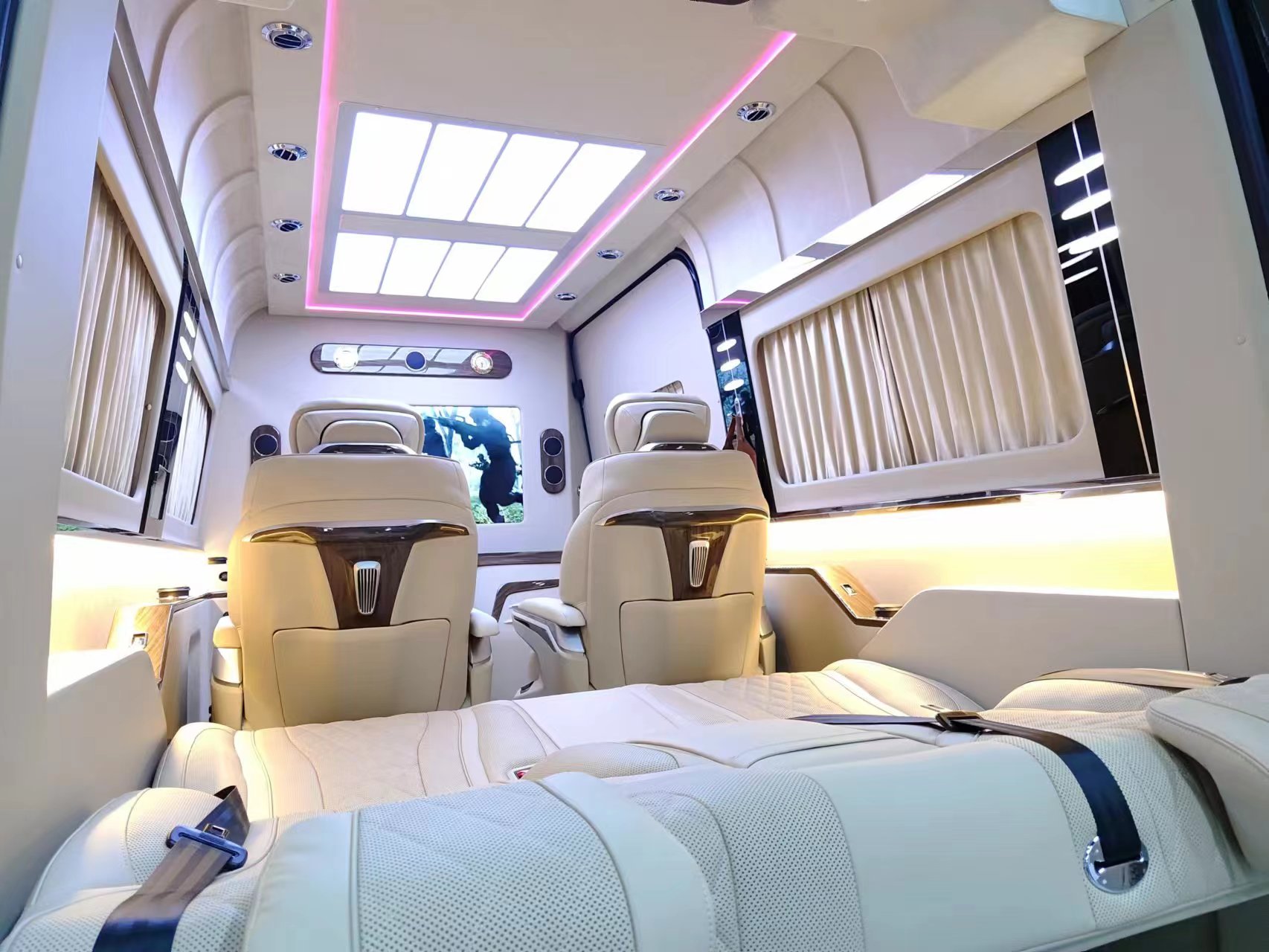 A carefully restored and upgraded off-road vehicle embodies a perfect fusion of two characters: it retains the hard-core capability to conquer the wilderness – durable materials, washable flooring, and vibration-resistant craftsmanship – while offering the refined comfort of a luxury cabin – Nappa leather, Alcantara headliners, aviation seats, and ambient lighting.
 -
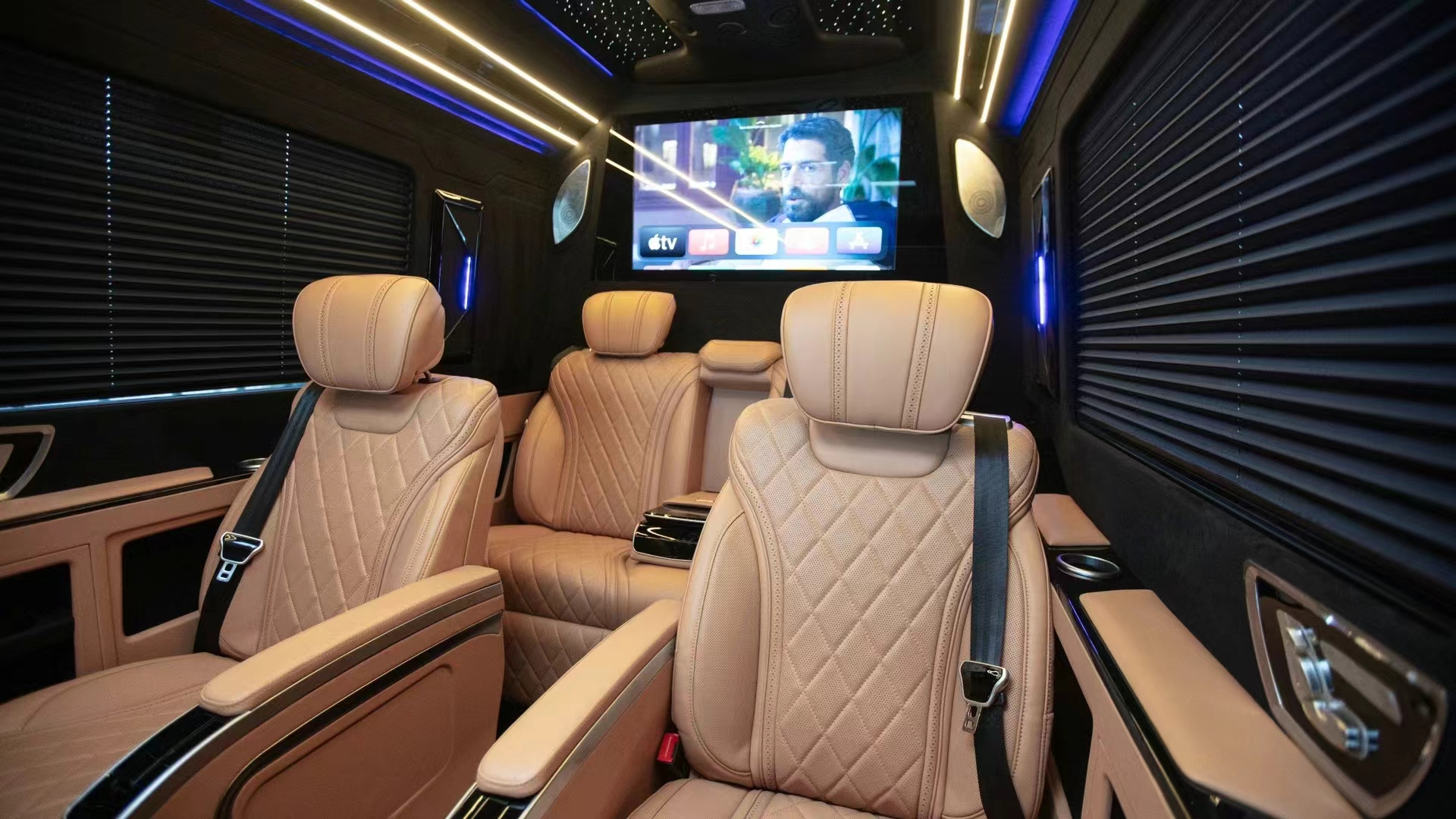 The core of a family MPV conversion is never about luxury or ostentation – it is about ensuring every member of the family enjoys a comfortable and pleasant travel experience. Without the expense of replacing the vehicle, a light-touch, targeted interior upgrade can address the factory shortcomings in comfort, practicality, and quality – making daily school runs, long road trips, and family holidays more relaxing and enjoyable. Let your vehicle truly serve every journey of your family life.
