



Commercial Vehicle Conversion – Before and After Comparison: A Look at the Transformation


In the commercial vehicle conversion community, there is a saying that has been repeatedly validated: “Before the conversion, you think it‘s unnecessary; after the conversion, you wish you had done it sooner.” Before committing to a conversion, the biggest hesitation for many owners is often: “The factory spec isn’t bad, is it? How much difference can a conversion really make?” It is only when they see the before-and-after comparison that they realise the true potential of a commercial vehicle extends far beyond the factory setting.
Today, we use a Mercedes-Benz V-Class conversion case to illustrate the real differences across four dimensions: cabin ambience, seating systems, functional details, and comfort and refinement. Once you see the transformation, you will understand why people say: “You won‘t know until you try – and the results are striking.”
I. Before the Conversion: Common Shortcomings of Factory Commercial Vehicles
An unmodified factory commercial vehicle is characterised by “practicality without distinction.” All features are designed for basic transport needs and fall short of high-end business requirements. The shortcomings are consistent:
Harsh seating experience – long journeys become a trial: Factory seat foam is firm, ergonomics are basic, the backrest is upright, and fit is poor. Ventilation, heating, and massage are absent. While acceptable for short trips, journeys exceeding two hours lead to back pain, leg fatigue, and a seating experience far below business class standards.
Overwhelming plastic feel – lack of premium quality: The dashboard, door panels, armrests, and instrument panel are covered in large areas of hard plastic, with dull, oppressive colour schemes. The interior leans towards a work-vehicle aesthetic – despite the vehicle‘s generous exterior dimensions, the cabin lacks any sense of luxury, failing to project the prestige required for business receptions.
Lack of business-ready features – low productivity on the move: Factory vehicles come with almost no dedicated business features – no folding tables, no fast-charge ports, no temperature-controlled cup holders. On-the-road meetings or quick document reviews are impractical; storage for multiple occupants is insufficient – completely failing to support mobile working or client hospitality scenarios.
Rough finish details – a cluttered, unrefined cabin: Factory fabric or basic leather is prone to staining and difficult to clean; headliners and pillars are thin and unrefined; cabin lighting is monotonous; storage spaces are poorly designed. Over time, the cabin looks worn and dated – lacking in refinement.
II. After the Conversion: From People Carrier to Mobile Executive Lounge
A professional commercial vehicle interior upgrade does not alter the core structure or compromise safety. It targets specific shortcomings for precise optimisation. Through four key enhancements – seat function upgrades, full-cabin premium wrapping, business feature integration, and refined detail work – the vehicle‘s overall experience is elevated to a new level. The difference is immediately apparent.
1. Seat Comparison: From Basic Transport to Premium Long-Haul Comfort
The core upgrade is the installation of custom-designed aviation-grade seats, developed using 1:1 OEM-grade tooling for non-destructive fitment. Ergonomic curves are optimised, with thicker high-resilience foam, extended cushion length, and a more relaxed backrest angle – perfectly matching the natural contours of the lower back, hips, and thighs.
Compared to the harsh factory seats, the upgraded seats offer full electric adjustment – allowing seamless switching between upright seating, reclining, and hospitality modes – and integrate essential features: ventilation, heating, and multi-mode massage. Year-round comfort is assured – cool and breathable in summer, warm and inviting in winter, with massage relieving fatigue on long journeys. The difference in comfort and quality is transformative.
Materials are premium Nappa leather or Alcantara suede – soft to the touch, durable, resistant to wear and fading, odour-free, and long-lasting – far surpassing the factory materials in both visual and tactile quality.
2. Interior Finish Comparison: From Plastic Clutter to Light Luxury Cabin
Eliminating the plastic feel is the most immediately noticeable improvement. Post-conversion, the entire cabin – door panels, centre console, armrests, dashboard, headliner, pillars – is wrapped in premium materials, with a unified colour scheme that replaces the factory‘s monotonous single-tone finishes. Sophisticated two-tone combinations add depth and refinement.
Optional solid wood veneers or carbon fibre accents provide subtle luxury – blending business dignity with a contemporary edge – completely shedding the work-vehicle character. The craftsmanship is evident in consistent stitching, full, taut upholstery, and neat edge finishing – no excess gaps or cheap plastic surfaces. The vehicle is transformed from a basic people carrier into a million-dollar luxury business cabin.
3. Functional Comparison: From Simple Transport to Mobile Working and Hospitality
The factory commercial vehicle merely “carries people.” Post-conversion, it truly becomes a “business vehicle.” The concealed folding table deploys to hold laptops, documents, or tea – perfect for on-the-road meetings or client discussions – and retracts to keep the cabin clutter-free.
Additional non-destructive upgrades – wireless fast-charging, temperature-controlled cup holders, high-definition audio-visual systems, and intelligent ambient lighting – enhance productivity, hospitality, and comfort. Whether for business appointments, corporate receptions, or family road trips, the vehicle delivers presence, efficiency, and comfort – fully addressing the factory‘s functional shortcomings.
4. Detail Comparison: From Rough and Cluttered to Refined, Durable, and Easy to Maintain
Post-conversion, the entire cabin is upgraded with durable, stain-resistant materials – dirt and dust are easily wiped clean. Neatly routed wiring, tight upholstery, and precise detailing eliminate the common issues of rattles, loosening, and edge lifting. The cabin retains its fresh, refined appearance even after years of use.
III. Commercial Vehicle Conversion Buyer‘s Guide – Essential Pitfall Avoidance
To ensure a premium, long-lasting conversion with no regrets or after-effects, follow these core standards:
Insist on vehicle-specific, non-destructive fitment: Choose 1:1 OEM-grade tooling for seamless installation – no cutting, no wire splicing, no compromise to the original safety structure.
Choose premium, durable, eco-friendly materials: Use genuine Nappa leather, Alcantara, and other odour-free, crack-resistant, wear-resistant materials.
Prioritise practical features – avoid flashy extras: Focus on seating comfort and essential business features – avoid redundant gimmicks that increase long-term failure rates.
Maintain a unified interior style: Colour, leather, and trim accents should work together – no mismatched elements – creating a refined, cohesive atmosphere.
Demand precision craftsmanship: Even panel gaps, full upholstery, straight stitching – with meticulous attention to detail – no rattles, no loose fittings.
The difference between a factory commercial vehicle and a converted one is far more than “changing a few panels.” It is a difference in design philosophy – from “meeting basic needs” to “pursuing the ultimate experience”; a difference in craftsmanship standards – from “mass-production” to “bespoke craftsmanship”; a difference in attention to detail – from “good enough” to “every detail matters.”
A converted commercial vehicle is not just a means of transport – it is an extension of your business identity. The first impression a client forms on entering the vehicle, the comfort during a long-distance negotiation, the tranquillity for a VIP during a rest – all directly influence the success of business relationships.
RELY AUTO – a professional team with years of experience in high-end commercial vehicle interior and exterior upgrades – offers 1:1 tooling capability, ensuring all panels and seats achieve OEM-grade fitment and non destructive installation. From Nappa leather and Alcantara to carbon fibre and rare wood veneers, full colour and pattern customisation is available. We provide one-stop kit supply – from individual seats to complete interior packages – covering mainstream commercial platforms including the V-Class, Vito, and Sprinter, significantly reducing the coordination costs and management complexity of dealing with multiple suppliers. All products undergo rigorous safety certification, backed by an international technical team for installation guidance and after-sales support. Choosing such a professional partner ensures your conversion is hassle-free, reliable, and truly turns every journey into an extraordinary luxury experience.
Related News
-
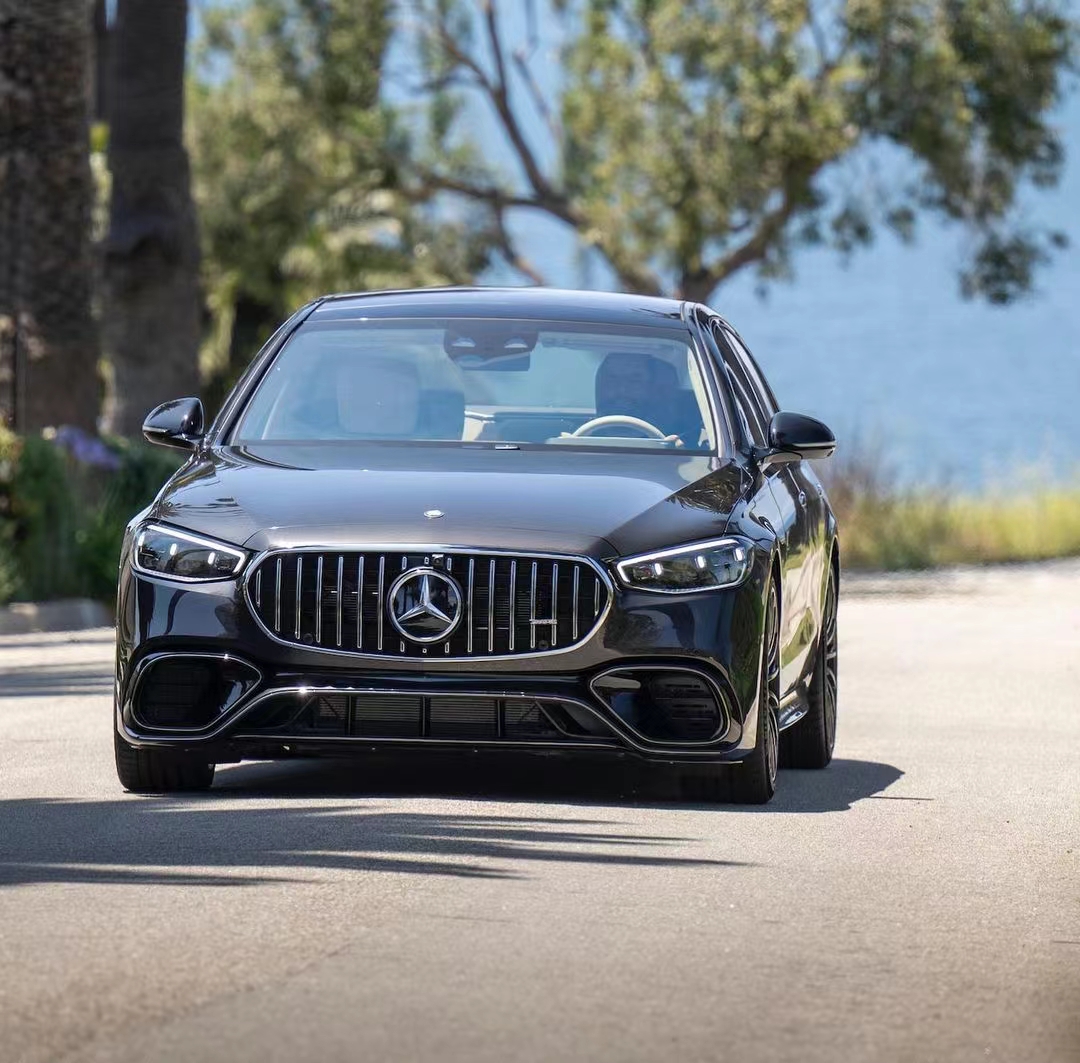 how do you distinguish true "premium" interior conversions from those that appear cheap but are actually costly in the long run? This guide breaks down the truth from four dimensions: materials, craftsmanship, design, and installation.
 -
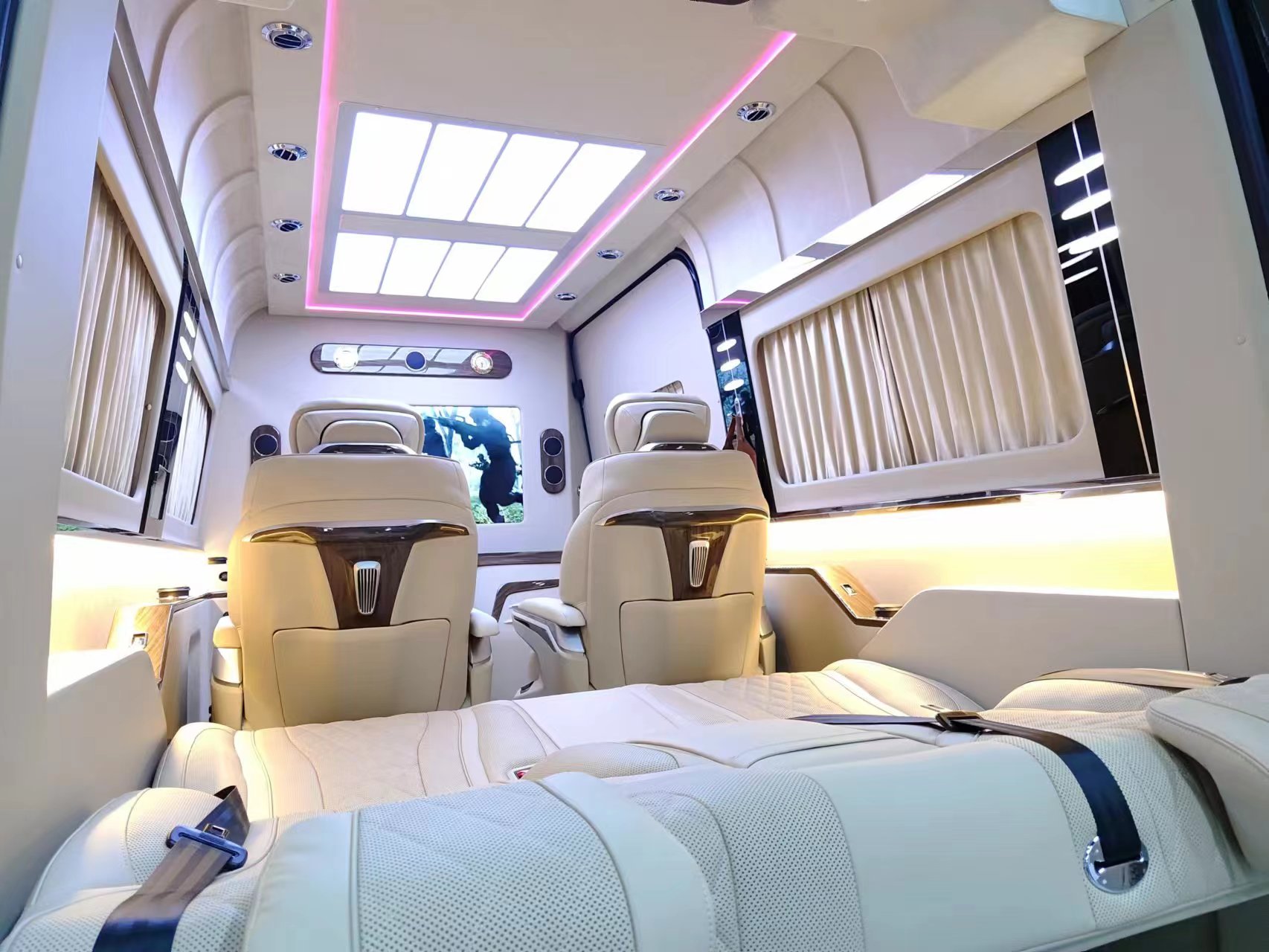 A carefully restored and upgraded off-road vehicle embodies a perfect fusion of two characters: it retains the hard-core capability to conquer the wilderness – durable materials, washable flooring, and vibration-resistant craftsmanship – while offering the refined comfort of a luxury cabin – Nappa leather, Alcantara headliners, aviation seats, and ambient lighting.
 -
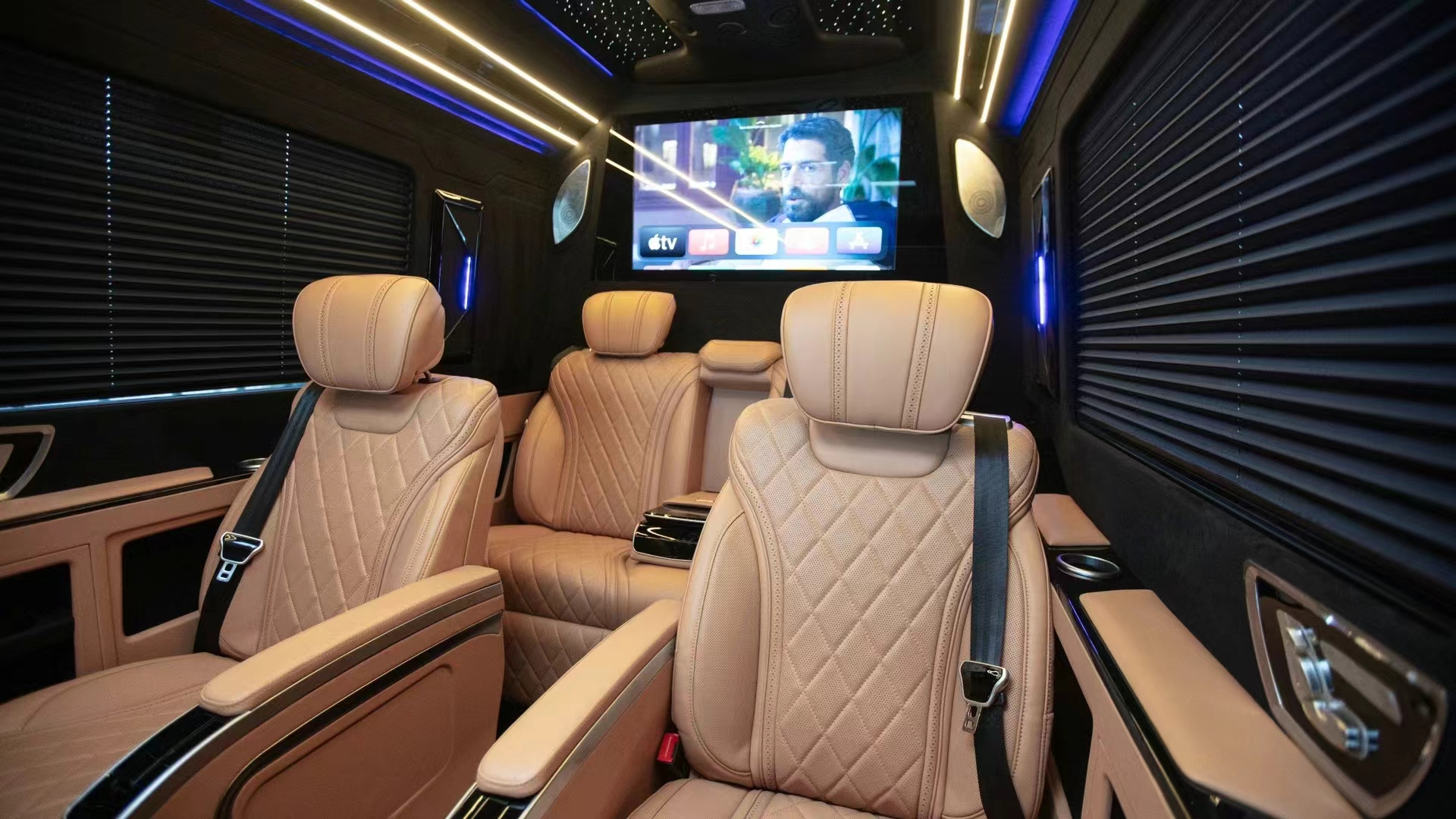 The core of a family MPV conversion is never about luxury or ostentation – it is about ensuring every member of the family enjoys a comfortable and pleasant travel experience. Without the expense of replacing the vehicle, a light-touch, targeted interior upgrade can address the factory shortcomings in comfort, practicality, and quality – making daily school runs, long road trips, and family holidays more relaxing and enjoyable. Let your vehicle truly serve every journey of your family life.
