



Upgrading Long-Distance Travel Comfort – How To Choose The Right Multi-Function Aviation Seats


Owners who frequently undertake long road trips, family holidays, or business travel know this all too well: the weak link in overall vehicle comfort is often not the suspension or sound insulation, but the factory seats that cannot support prolonged sitting. Factory seats typically have firm foam, minimal support, fixed angles, and lack proper lumbar and thigh support. After more than two hours of continuous driving or riding, discomfort sets in – back pain, numb legs, and a stiff back. In summer, seats feel hot and sticky; in winter, they are cold and rigid – turning long journeys into an ordeal.
To fundamentally elevate the quality of long-distance travel, upgrading to multi-function aviation seats is the most effective solution. However, the market offers a bewildering variety of styles and features – many owners fall into traps: attractive looks but inadequate support, flashy features that are not practical, or poor fitment leading to rattles and cramped space. This guide, grounded in real-world long-distance travel scenarios, will help you choose the right aviation seats – comfortable, durable, and hassle-free.
I. Why Do You Need Aviation Seats?
Many people choose seats based solely on “how soft they feel.” But the core logic of long-distance comfort is precisely the opposite: seats that are too soft tend to collapse; seats that are too firm cause fatigue. Balanced support is the key. Aviation seats are designed to provide a first-class cabin experience. The main differences from factory seats are:
Ergonomics and materials: High-density foam and other premium fillings offer superior support and maintain their shape over long journeys.
Adjustability: Greater backrest recline – some models allow up to 160 degrees, approaching a flat position; electric leg rests and electric headrests are standard.
Comfort features: Integrated ventilation, heating, and massage.
Space requirements: Aviation seats are wider – typically adding 5-8 cm – which may affect aisle access.
II. How to Choose Your Ideal Seat?
When selecting, focus on the following key aspects:
1. Dimensional Fit and Space Considerations
This is the most critical step – decisions must be based on your specific vehicle and usage scenario.
Measure your interior space: Before purchasing, have your vehicle measured or request a fitment proposal from the conversion shop. For example, the Buick GL8 offers generous space – seats with a width of 56-58 cm are recommended to preserve aisle access. The GAC M8, however, is more compact – installation may leave virtually no centre aisle.
Consider your usage scenario: If you frequently need access to the third row, excessively wide seats will be inconvenient. Weighing comfort against accessibility is essential before making a decision.
2. Feature Selection – Choose by Need, Not by Quantity
Aviation seats come with a wide array of features – base your choice on your actual requirements.
Electric adjustment: This is the foundation. At a minimum, fore-aft, backrest, and leg rest adjustment should be electric. If multiple drivers use the vehicle, seat memory is a useful addition.
Ventilation and heating: Widely regarded as the most practical features – significantly improving comfort in both summer and winter. Note the difference between forced-air and suction-type ventilation – they feel different.
Massage function: A comfort feature, but opinions vary. It is advisable to test it in person before deciding. Some passengers may find massage during travel uncomfortable.
Swivel function: Allows the seats to face the rear when parked, creating a meeting or entertainment space – increasing versatility.
Other convenience features: Wireless charging, USB ports, folding tables – select according to your needs.
3. Materials and Craftsmanship – Determining Quality and Longevity
Frame – the foundation of safety: Quality seats use high-strength alloy steel frames – look for products that carry national 3C certification. Beware of inferior products made from ordinary steel.
Leather – tactile quality and durability:
Nappa leather: Soft, refined, and luxurious – but requires more careful maintenance.
High-quality synthetic leather: Better value for money, wear-resistant, stain-resistant, and easy to clean – particularly suitable for family use.
Caution: Be aware of PU leather or imitation leather being passed off as genuine.
Filling – affecting support: High-density polyurethane foam provides optimal support and maintains its shape over long periods.
4. Motor Quality and After-Sales Support – Long-Term Experience
Motor brand: Directly affects noise, lifespan, and reliability. Imported motors (e.g., Nidec from Japan) generally outperform standard locally sourced motors.
After-sales support: Understand the warranty period and scope of service. Premium products typically offer warranties of three years or more.
III. Installation and Safety – Critical Considerations
1. Choose non-destructive installation: Always opt for professional solutions that use the vehicle‘s original mounting points – preserving the body structure.
2. Electrical safety is paramount: All wiring must be independently routed with dedicated fuses – never splice into the original wiring harness, which creates short-circuit and fire risks.
3. Choose a professional installer: Professional installation affects not only function but also safety. Comprehensive testing should be carried out after installation.
IV. Buyer‘s Guide – Essential Pitfall Avoidance
To select aviation seats that are comfortable, durable, and suited to long journeys, avoid these common mistakes:
1. Do not blindly choose overly soft seats: Soft foam collapses under prolonged use, losing support and causing fatigue. Balanced firmness with good rebound is the optimal choice.
2. Reject feature overload: Prioritise ventilation, heating, massage, and multi-way adjustment – avoid flashy, redundant features that increase failure rates.
3. Always choose vehicle-specific fitment: Universal parts compromise fit, increase rattles, and reduce safety – only dedicated tooling ensures precise fit and long-term stability.
4. Choose premium, eco-friendly materials: Avoid inferior leather – eliminate odours, peeling, and ageing issues – suitable for long-term, high-frequency use.
5. Pay attention to craftsmanship: Straight, even stitching; consistent perforation; taut upholstery – attention to detail ensures both quality and longevity.
Upgrading to aviation seats is an investment – its value is realised in the comfort of every long-distance journey. If you frequently drive or ride for extended periods, have regular business reception needs, or are deeply dissatisfied with factory seating, this upgrade offers significant returns.
RELY AUTO Bespoke Solutions – dedicated to non-destructive seat and interior upgrades for luxury SUVs and high-end commercial vehicles. Leveraging OEM-grade precision tooling and ergonomic craftsmanship, we create comfortable cabins for every scenario – ensuring every journey is a truly luxurious experience.
In short, a carefully selected and professionally installed set of aviation seats can transform your vehicle into a genuine mobile sanctuary – turning long journeys into an enjoyment.
Related News
-
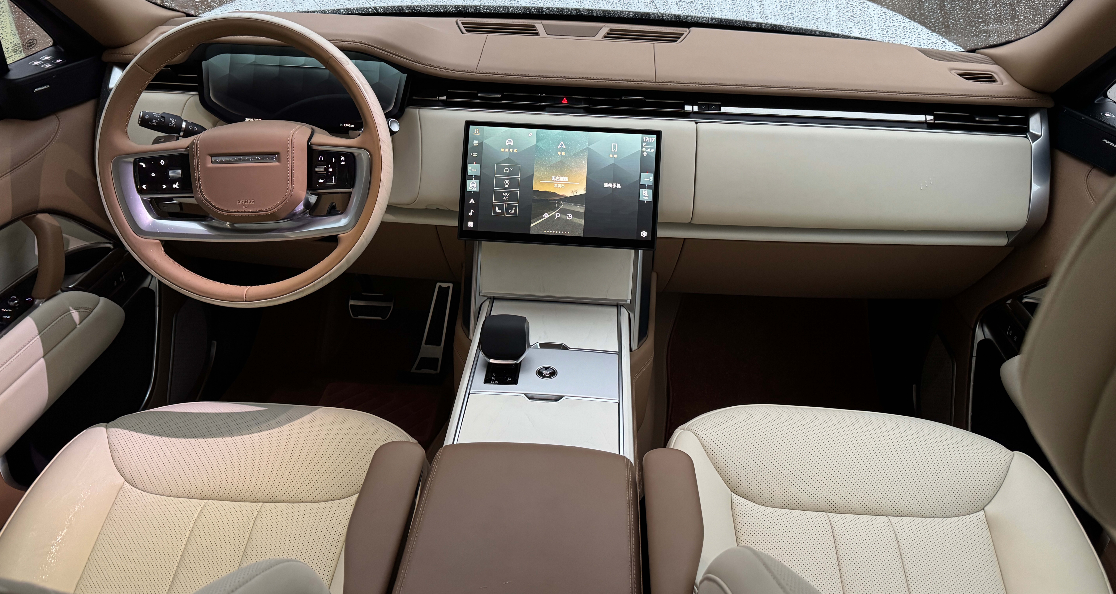 After this complete upgrade, the transformation is striking. The exterior retains its composed business presence, while the interior has shed its utilitarian, cheap feel – unified in quality, refined in detail, and supremely comfortable.
 -
 how do you distinguish true "premium" interior conversions from those that appear cheap but are actually costly in the long run? This guide breaks down the truth from four dimensions: materials, craftsmanship, design, and installation.
 -
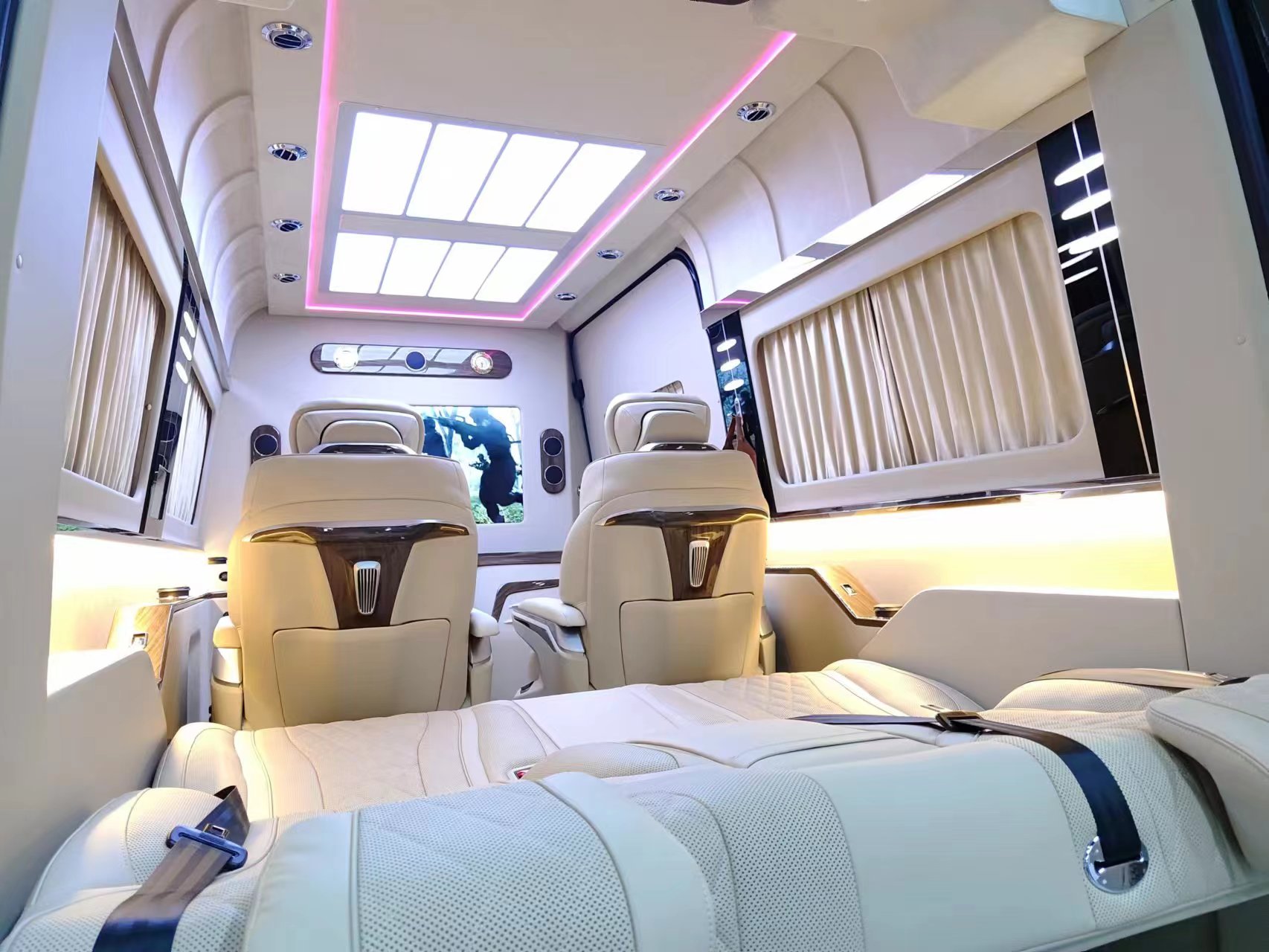 A carefully restored and upgraded off-road vehicle embodies a perfect fusion of two characters: it retains the hard-core capability to conquer the wilderness – durable materials, washable flooring, and vibration-resistant craftsmanship – while offering the refined comfort of a luxury cabin – Nappa leather, Alcantara headliners, aviation seats, and ambient lighting.
