



Bespoke Automotive Interiors: The Art of Creating a One-of-a-Kind Mobile Sanctuary


In today‘s increasingly homogenised automotive market, a mass-produced vehicle – regardless of its price tag – struggles to truly reflect the owner‘s personality and taste. To break free from standardised interiors, fixed colour palettes, and rigid configuration templates, private bespoke customisation is the only optimal solution.
True bespoke customisation is not about piling on luxury features. It is about deeply integrating the owner‘s aesthetic preferences, usage scenarios, and functional needs – transforming the cabin from a “standard vehicle” into a “one-of-a-kind mobile private space.”
This guide will walk you through the core principles of high-end bespoke design – from needs analysis and material selection to functional integration and meticulous detailing – helping you create a personalised luxury cabin with ease.
I. The Starting Point of Bespoke Customisation: Not “What to Change,” but “Who You Are”
Many assume that bespoke customisation simply means “choosing a colour and selecting a leather.” But that is only the most superficial level. For a truly professional customisation service, the first step is always an in-depth consultation.
A professional customisation team typically spends considerable time conducting a one-on-one “needs interview” with the owner – covering far more than you might expect:
Usage scenario analysis: Is the vehicle primarily for business receptions or family outings? Daily commuting or long-distance overland travel? Chauffeur-driven or owner-driven?
Aesthetic preference exploration: Do you prefer deep, understated tones or bright, warm palettes? European classical luxury or modern minimalist technology?
Functional requirements: Do rear passengers need a workspace? Is beverage cooling required? Is a privacy partition needed? What is the priority level for audio-visual entertainment?
Special requests: Are there personal insignia, family crests, lucky colours, or other elements to be integrated into the design?
The value of this stage lies in translating abstract aesthetic sensibilities into a tangible design concept. A skilled designer can capture the stylistic elements that truly resonate with the owner from a single phrase, an image, or even a casual conversation – often exceeding the owner‘s initial expectations.
II. Material Selection: Every Texture Defines Taste
Materials are the most immediate and expressive element of customisation. High-end bespoke material choices go far beyond the simple “leather or fabric” binary.
The world of leather is far richer than imagined. Factory-standard leather is often split leather or heavily pigmented – stiff to the touch and monotonous in grain. Top-tier bespoke options include full-grain Nappa leather, sourced from high-altitude pastures in Northern Europe or South America. The hide is dense, with fine pores, and undergoes light finishing to preserve its natural grain – offering a supple, almost silken texture. Beyond that, semi-aniline and full-aniline leathers take it further. The former retains the natural surface with exceptional breathability; the latter receives virtually no correction – each hide displays its unique natural markings – making it the preferred choice for ultra-luxury marques such as Rolls-Royce and Bentley.
Alcantara suede – more than just a synonym for sportiness. This material is known for its lightweight, high grip, and excellent breathability, making it a popular choice for headliners, pillars, steering wheels, and seat centres. Compared to standard fabric headliners, Alcantara delivers a transformative upgrade in both visual and tactile quality. It also offers sound-absorbing properties, contributing to cabin refinement.
Wood trim and carbon fibre – two distinctly different characters. Rare natural wood veneers – such as walnut, ash, and maple – undergo multiple hand-sanding and polishing steps to achieve a deep lustre and a warm, organic texture – the hallmark of classic luxury. Carbon fibre represents the opposite direction – lightweight, strong, and technologically forward – particularly appealing to owners with a sporty inclination. A more sophisticated approach combines wood and carbon fibre in a single piece – blending elegant grain with modern strength – appealing to both Eastern and Western aesthetic sensibilities.
Material pairing is an art form. True bespoke mastery lies not in selecting “the best material” but in knowing how to combine them. For example: seat centres in ivory Nappa leather with graphite-grey Alcantara inserts for added grip; a dark walnut dashboard accented with brushed metal trim; high-density wool carpets for softness underfoot and superior sound insulation. It is the interplay of layers and contrasts that completes the luxury experience.
III. Functional Integration: Every Feature Is Designed for a Real Scenario
The essence of private bespoke customisation is that functionality is not an accumulation of features, but a precise response to real needs. Below are some frequently requested bespoke features and their applications:
Feature | Application Scenario |
Aviation-grade seats (electric adjustment / ventilation / heating / massage / leg rest) | Long-distance travel, business receptions |
Rear folding table + footrests | Mobile working, dining |
15.6-inch high-definition suspended display | Entertainment, business presentations |
Integrated compressor refrigerator (—5°C to 55°C) | Beverage cooling / warming |
Smart privacy partition (electric fogging glass) | Business meetings, VIP rest |
Starlight headliner + ambient lighting | Night-time atmosphere creation |
Full-vehicle sound insulation (floor / doors / wheel arches) | Cabin refinement |
Aviation-grade aluminium / marble effect flooring | Easy cleaning, enhanced texture |
Electric retractable welcome steps | Convenient entry for elderly and children |
Fragrance system + ioniser air purifier | Cabin air quality optimisation |
The core principle of bespoke customisation is: select features according to need – no excess, no waste. A feature that is never used, however advanced, is merely a decoration.
IV. Attention to Detail: What Sets High-End Bespoke Apart from Ordinary Conversions
The difference between a high-end bespoke interior and a standard conversion lies in the details. It is not simply about re-upholstering and changing colours – it is about precise refinement across the entire cabin. From the density of seat perforations, the curvature of stitching, and the finishing of edges, to door panel gaps, pillar wrapping, and headliner craftsmanship – every detail is executed with precision. Stitching is straight and even, upholstery is taut and seamless, and gaps are consistent.
Furthermore, comprehensive personalised adjustments are supported – seat firmness, backrest angle, cushion length, lighting tone, and storage layout can all be tailored to individual preferences – maximising comfort and ensuring every journey is a pleasure.
V. High End Bespoke Buyer‘s Guide – Essential Pitfall Avoidance
To achieve a refined, durable, and timeless bespoke cabin, follow these core standards:
Unified style, not clutter: Colour, materials, and trim accents should work together – avoiding mismatched elements that create a cheap, chaotic look.
Premium, eco-friendly materials: Use genuine high grade leather and trims – odour-free, crack-resistant, and wear-resistant – suited to long-term automotive use.
Features selected based on real needs: Choose features that match your usage scenarios – avoid flashy, redundant extras that increase the risk of long-term failures.
Vehicle-specific, non-destructive fitment: 1:1 OEM-grade tooling – non-destructive installation that preserves the original structure and safety.
Precision craftsmanship: Neat edge finishing, even panel gaps, straight stitching – no lifting, no rattles, no rough edges.
A mass-produced vehicle – regardless of its price – is ultimately “someone else‘s design.” A deeply bespoke vehicle, however, carries the owner‘s aesthetic, taste, and understanding of life. It evolves from “a luxury car” into “your luxury car” – a piece of rolling art worth treasuring.
More importantly, the value of bespoke customisation is not only in the moment of unveiling – it is in the sense of belonging you feel every time you open the door. The experience of “a world that operates according to my preferences” is something no factory-standard configuration can ever provide.
RELY AUTO Bespoke Solutions – dedicated to private, non-destructive bespoke interior customisation for luxury SUVs and high-end commercial vehicles. Leveraging OEM-grade tooling precision, meticulous craftsmanship, and one-on-one design consultation, we create a unique cabin for every vehicle – ensuring every journey is a truly luxurious experience.
Related News
-
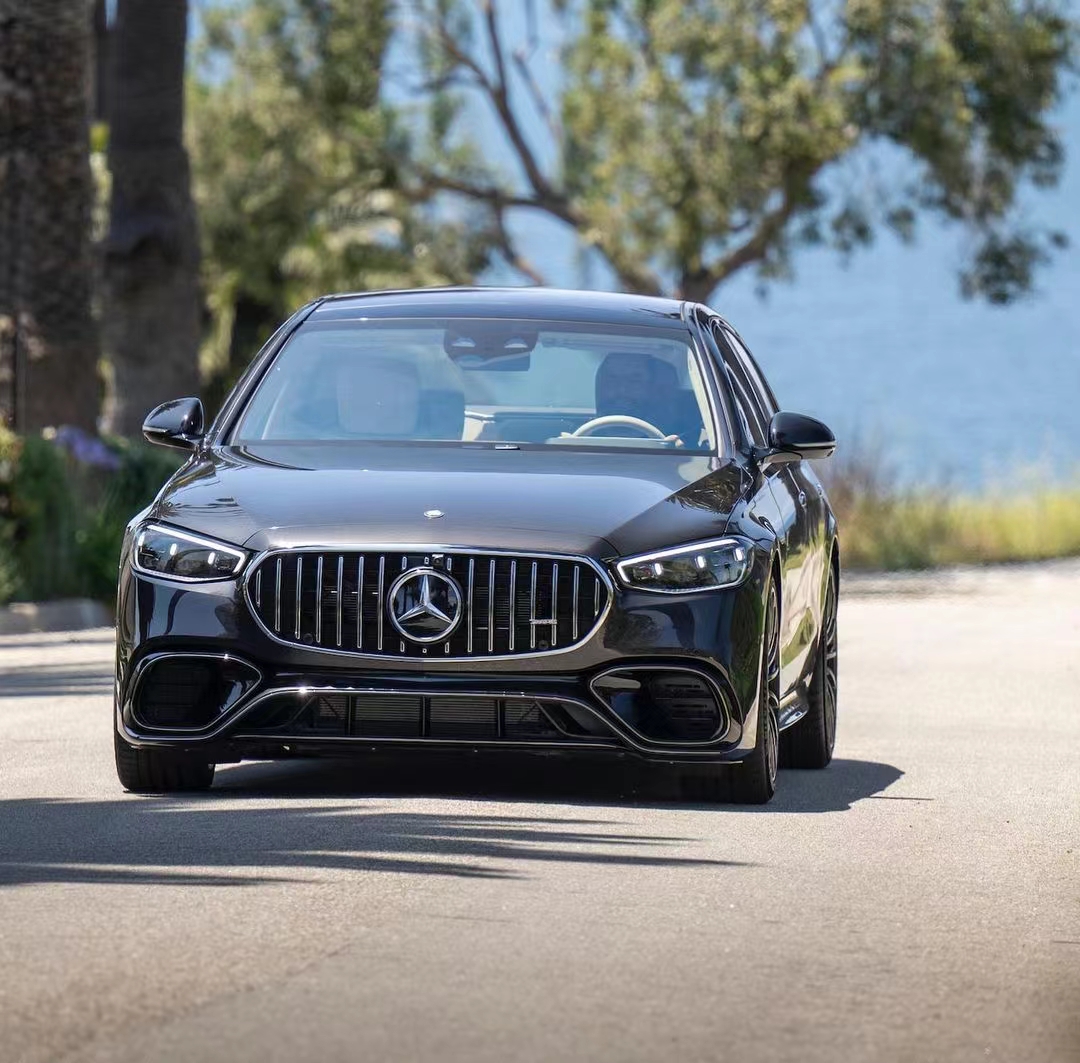 how do you distinguish true "premium" interior conversions from those that appear cheap but are actually costly in the long run? This guide breaks down the truth from four dimensions: materials, craftsmanship, design, and installation.
 -
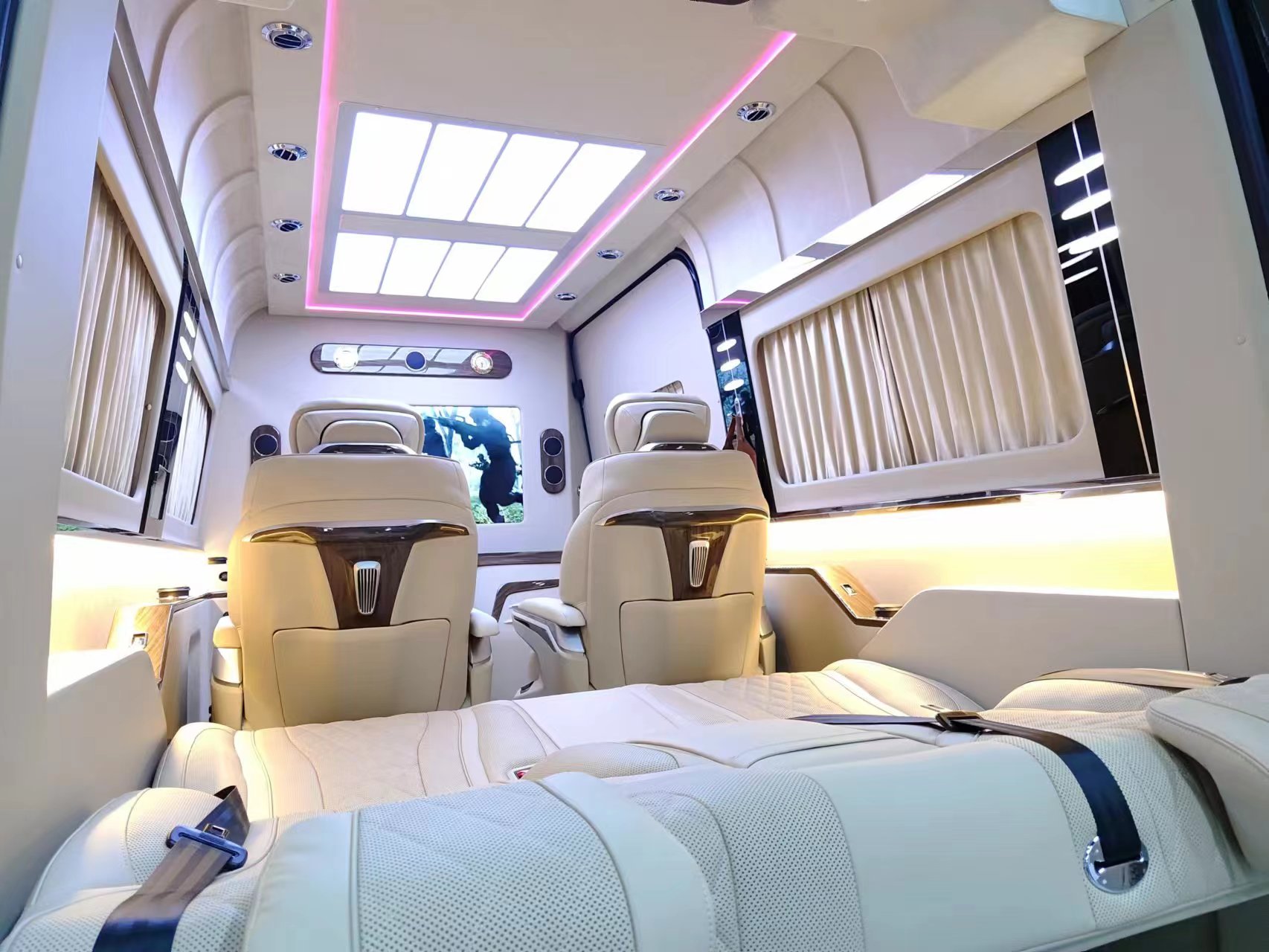 A carefully restored and upgraded off-road vehicle embodies a perfect fusion of two characters: it retains the hard-core capability to conquer the wilderness – durable materials, washable flooring, and vibration-resistant craftsmanship – while offering the refined comfort of a luxury cabin – Nappa leather, Alcantara headliners, aviation seats, and ambient lighting.
 -
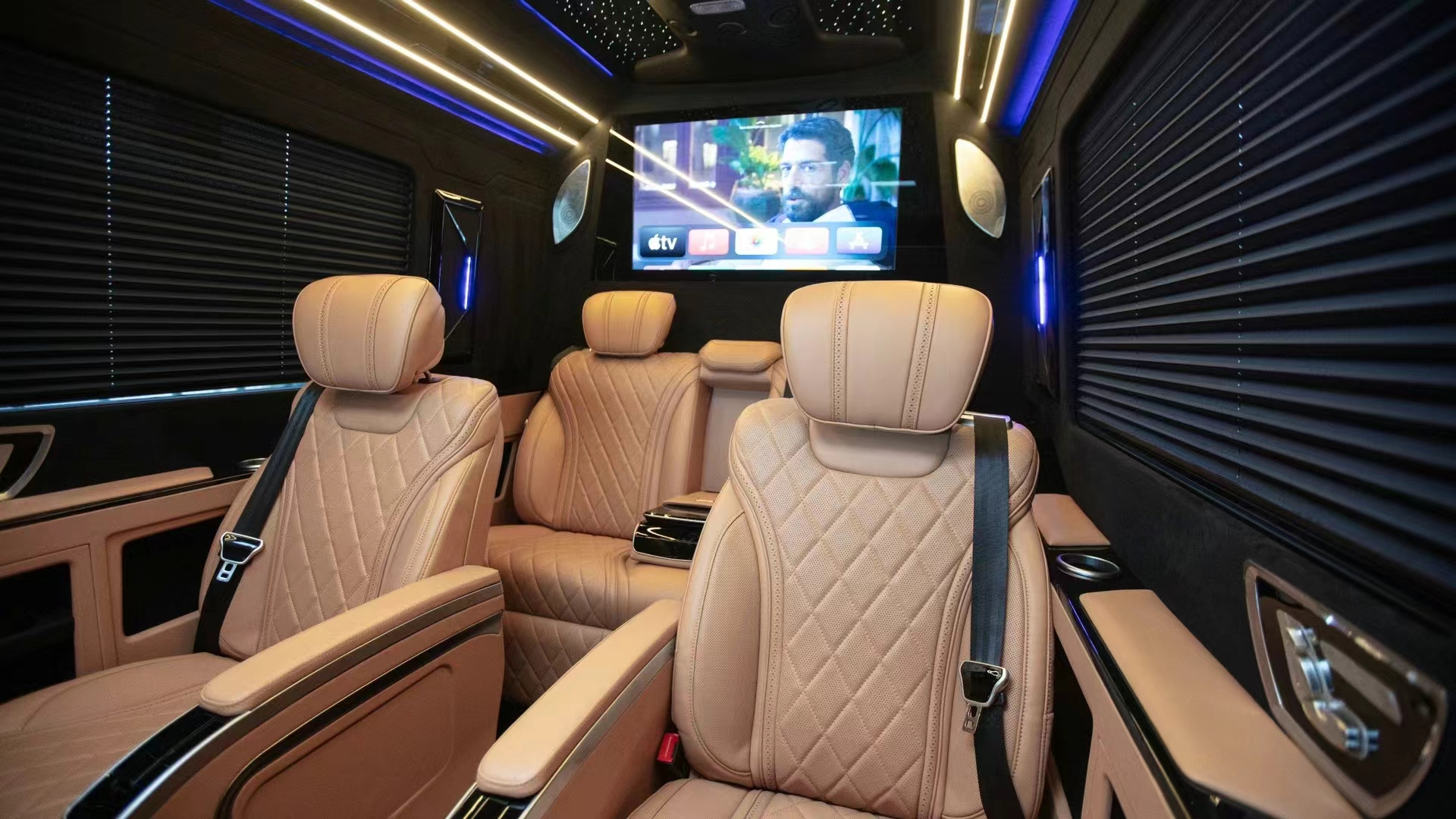 The core of a family MPV conversion is never about luxury or ostentation – it is about ensuring every member of the family enjoys a comfortable and pleasant travel experience. Without the expense of replacing the vehicle, a light-touch, targeted interior upgrade can address the factory shortcomings in comfort, practicality, and quality – making daily school runs, long road trips, and family holidays more relaxing and enjoyable. Let your vehicle truly serve every journey of your family life.
